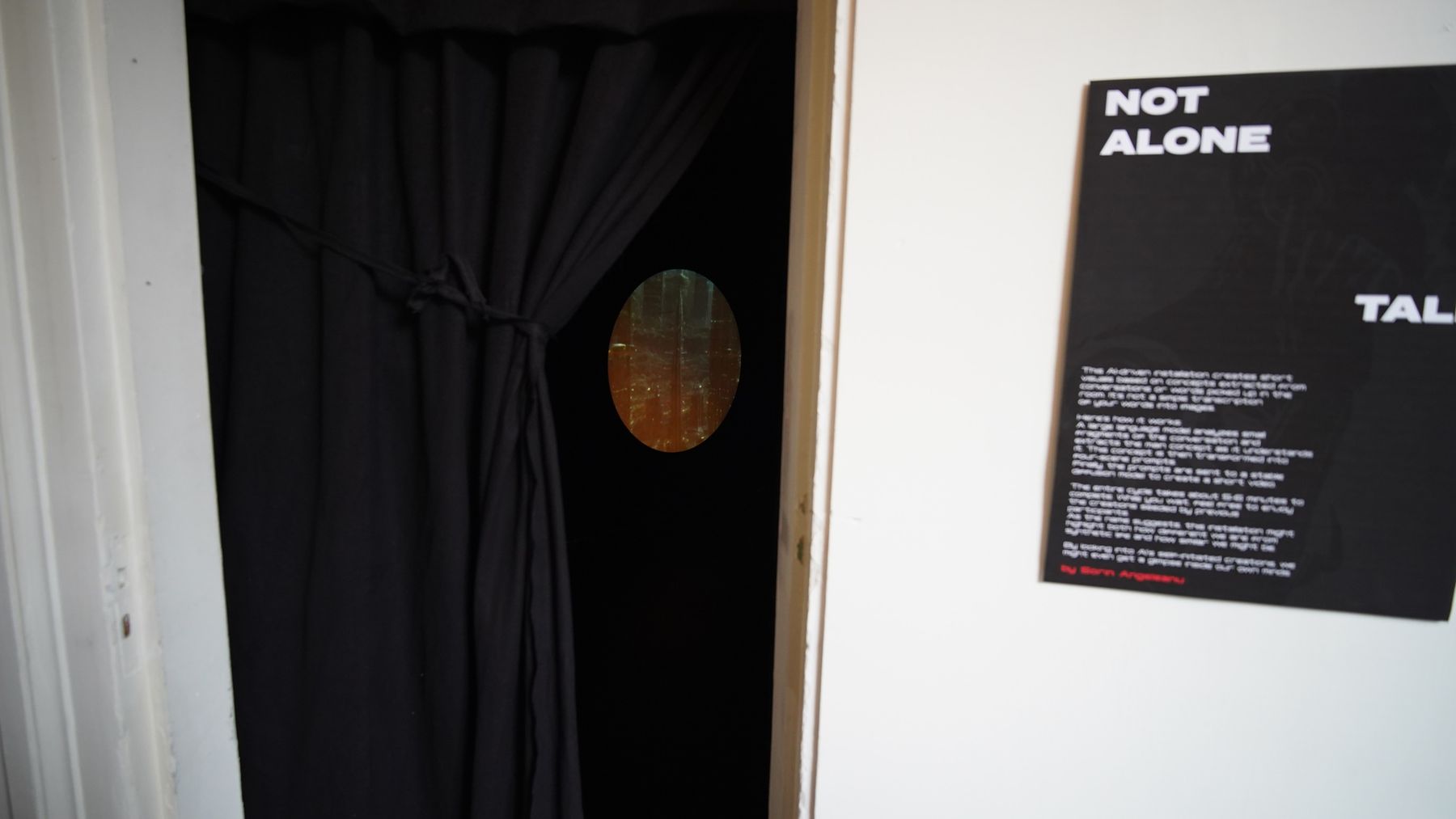
Not Alone
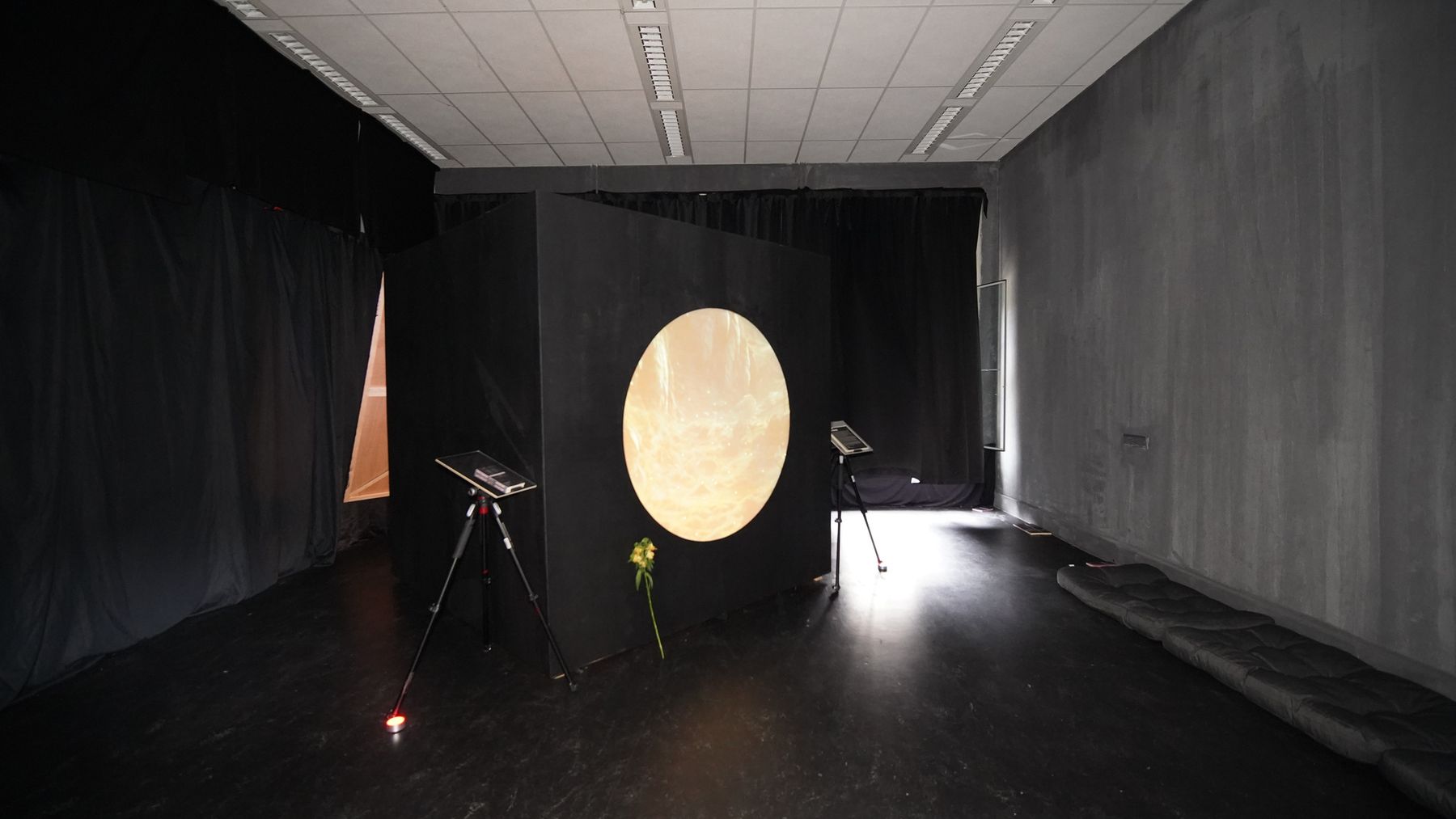
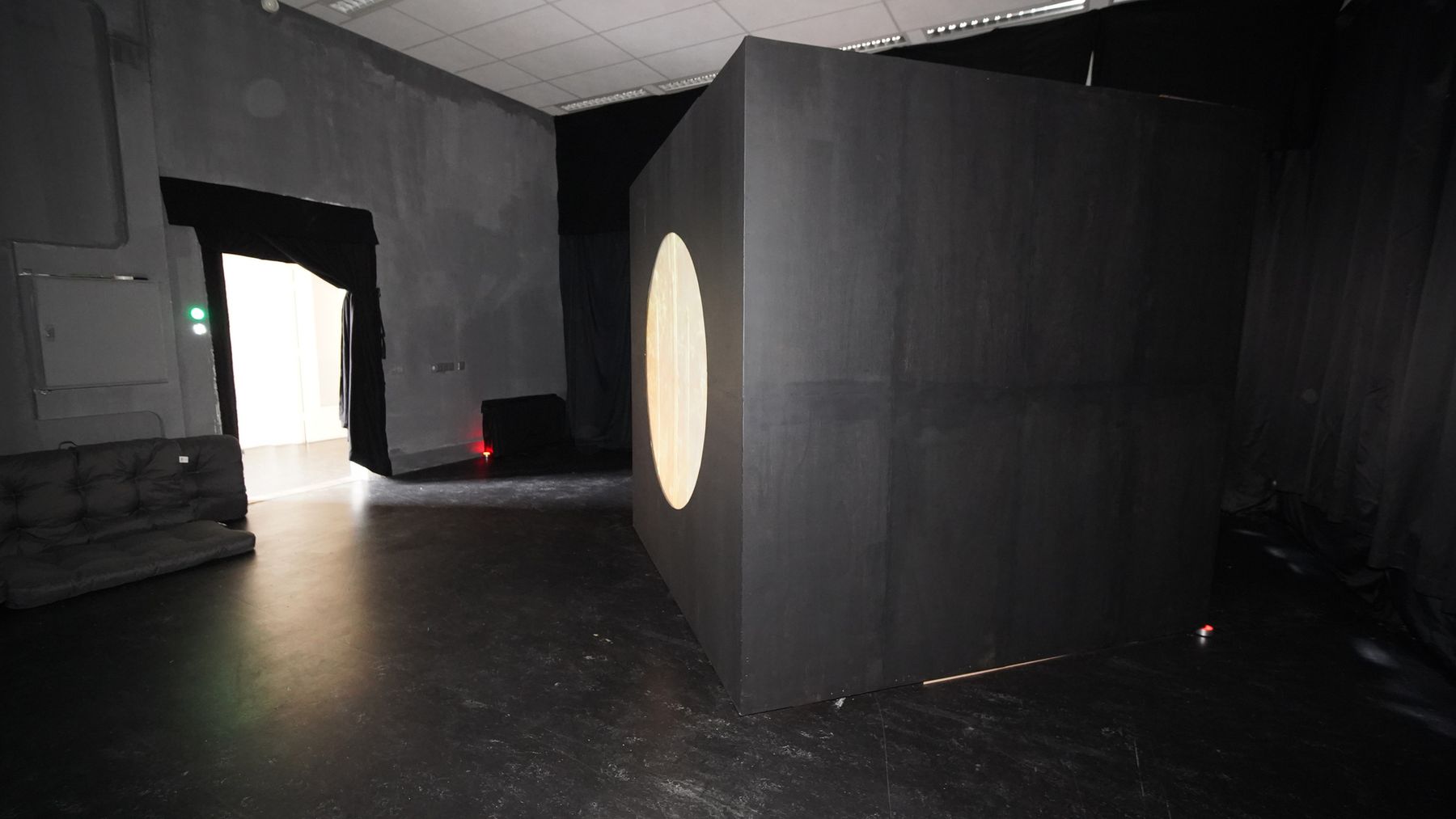
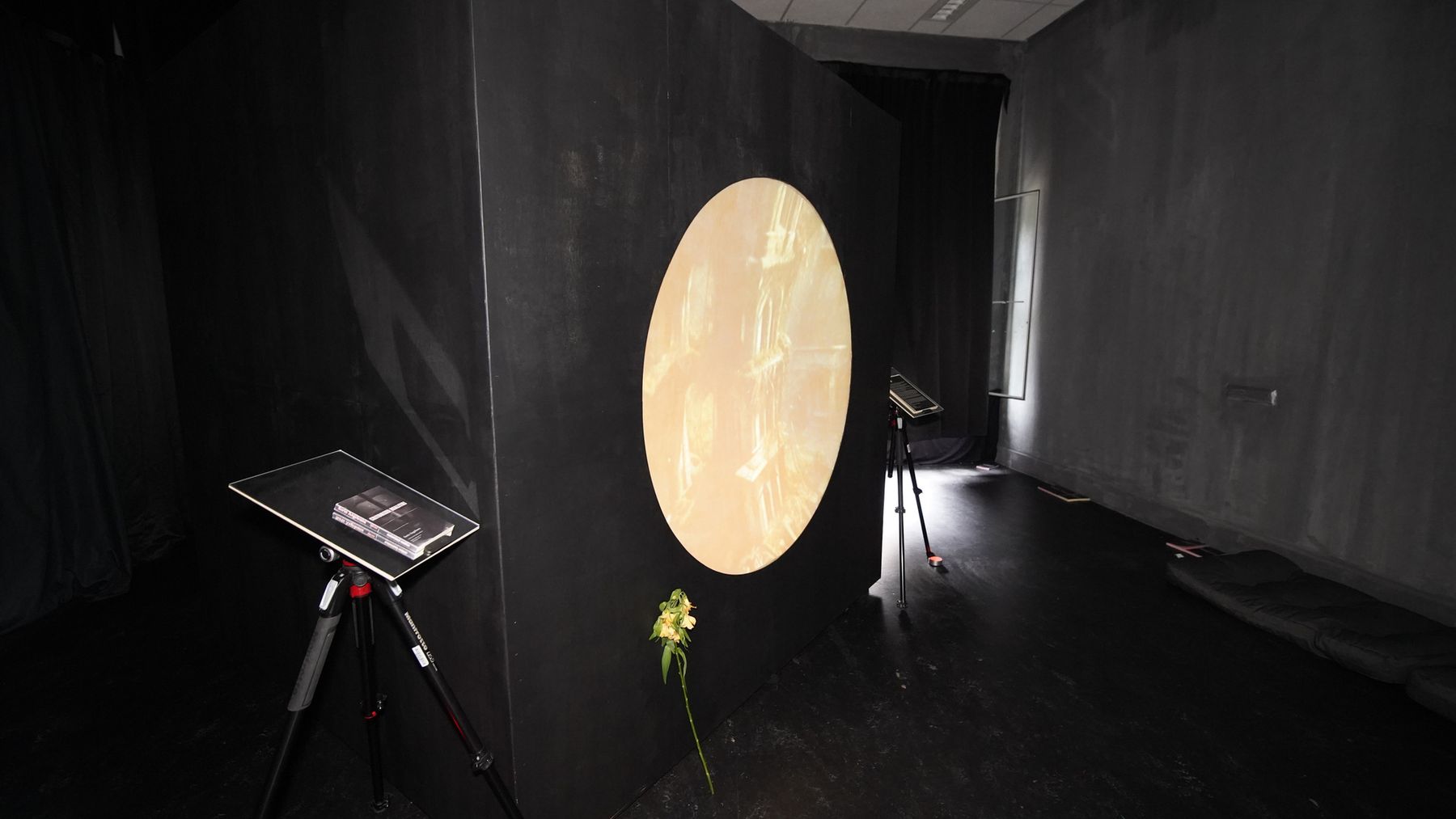
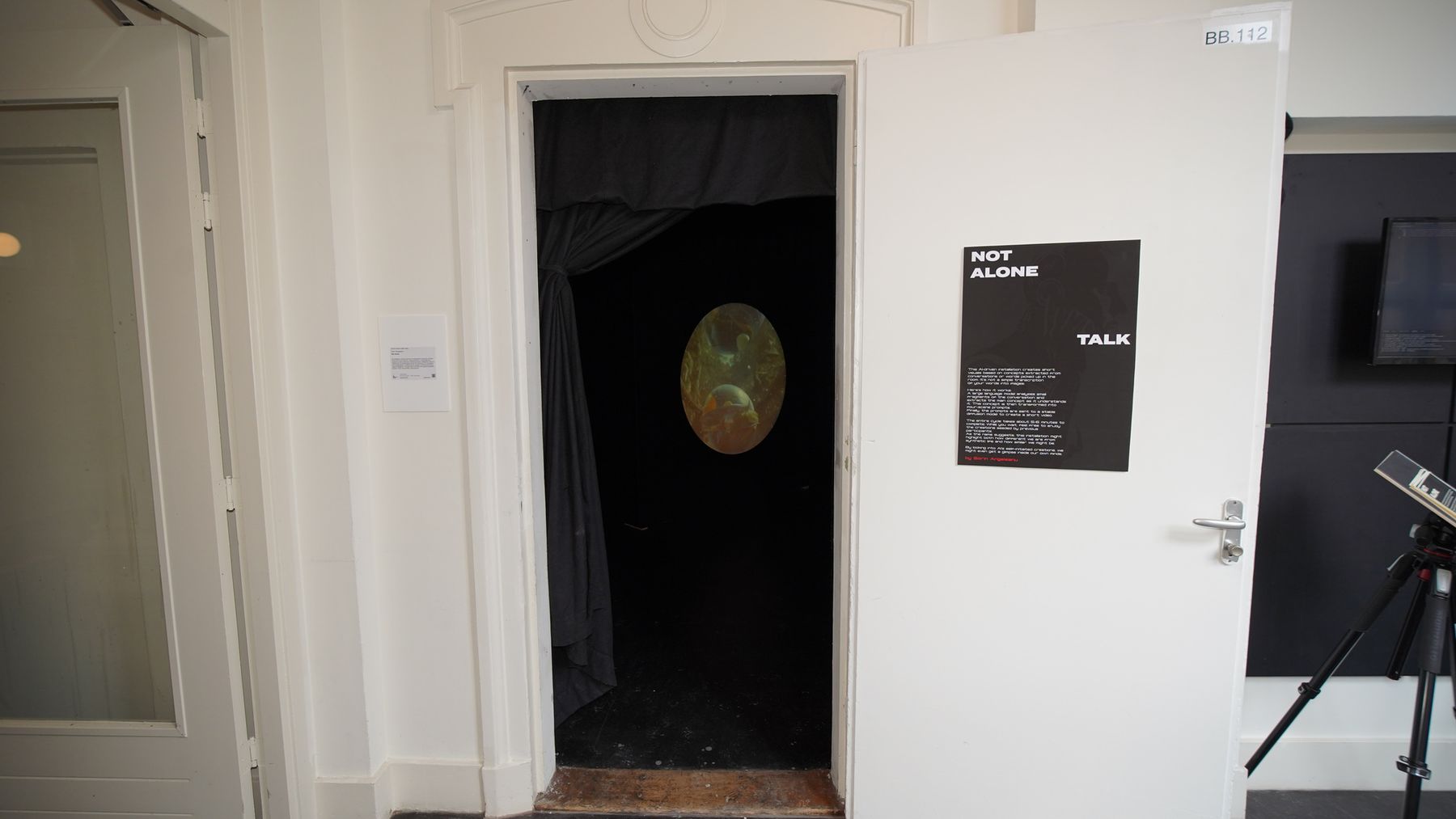
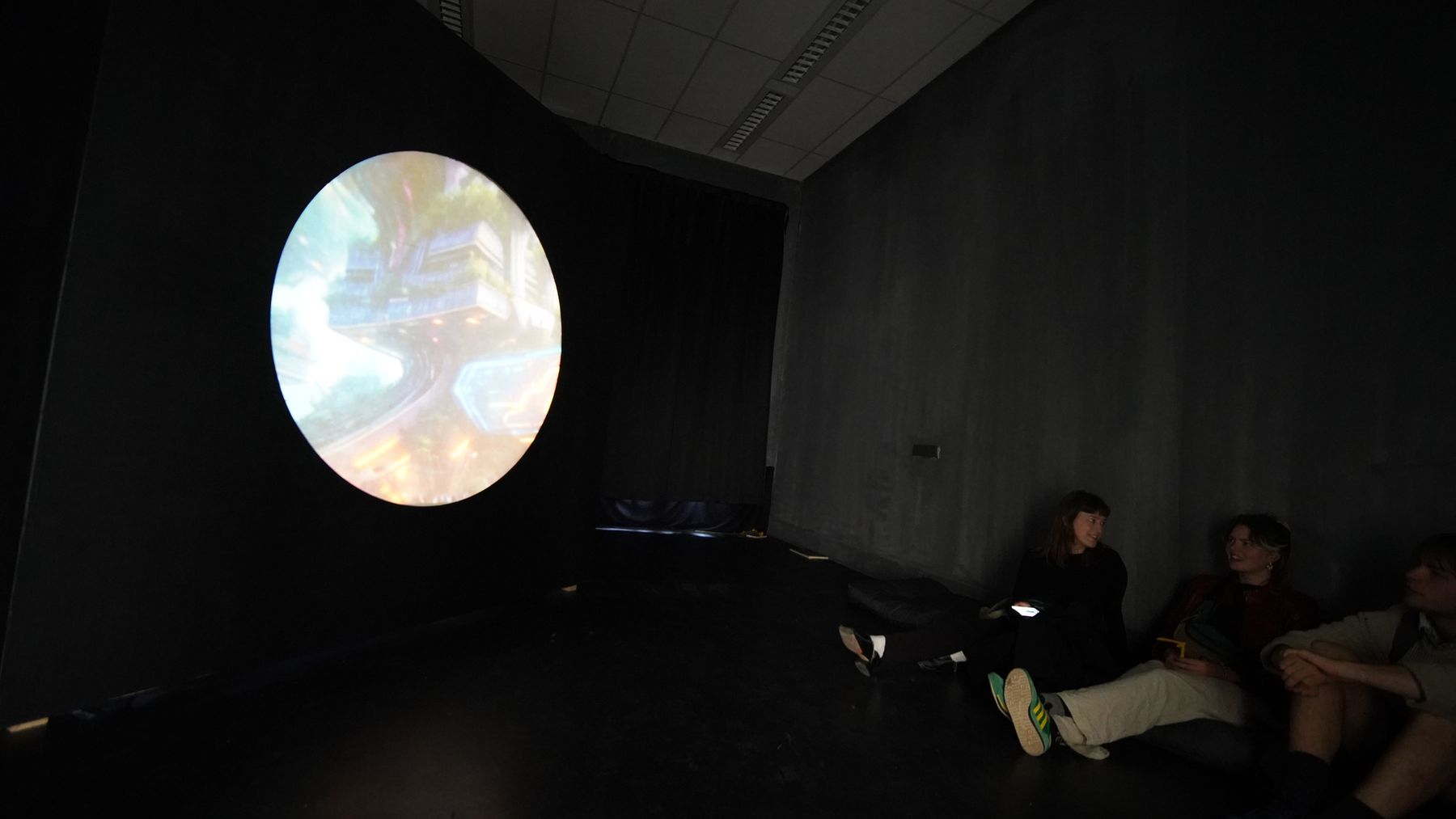
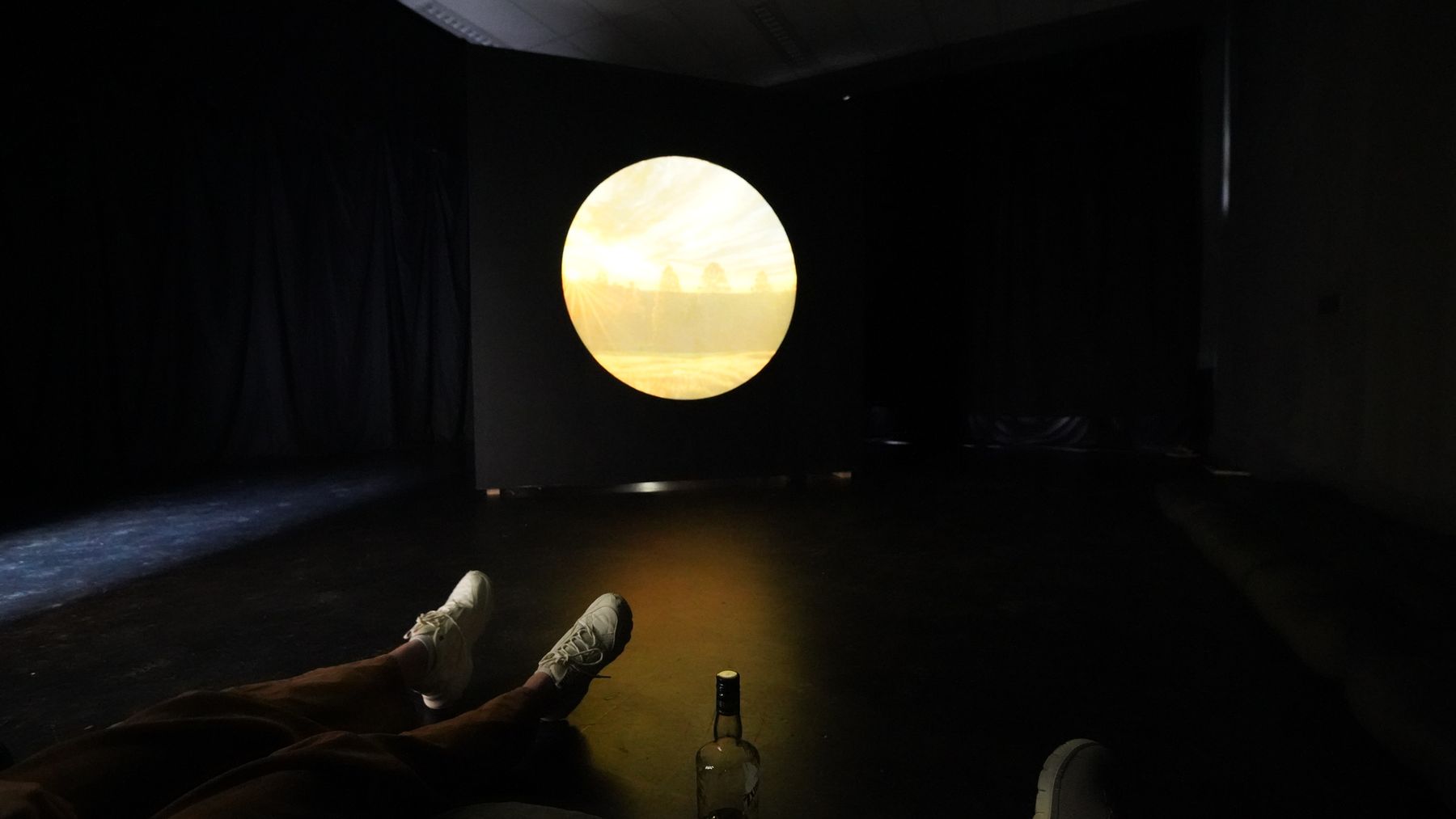
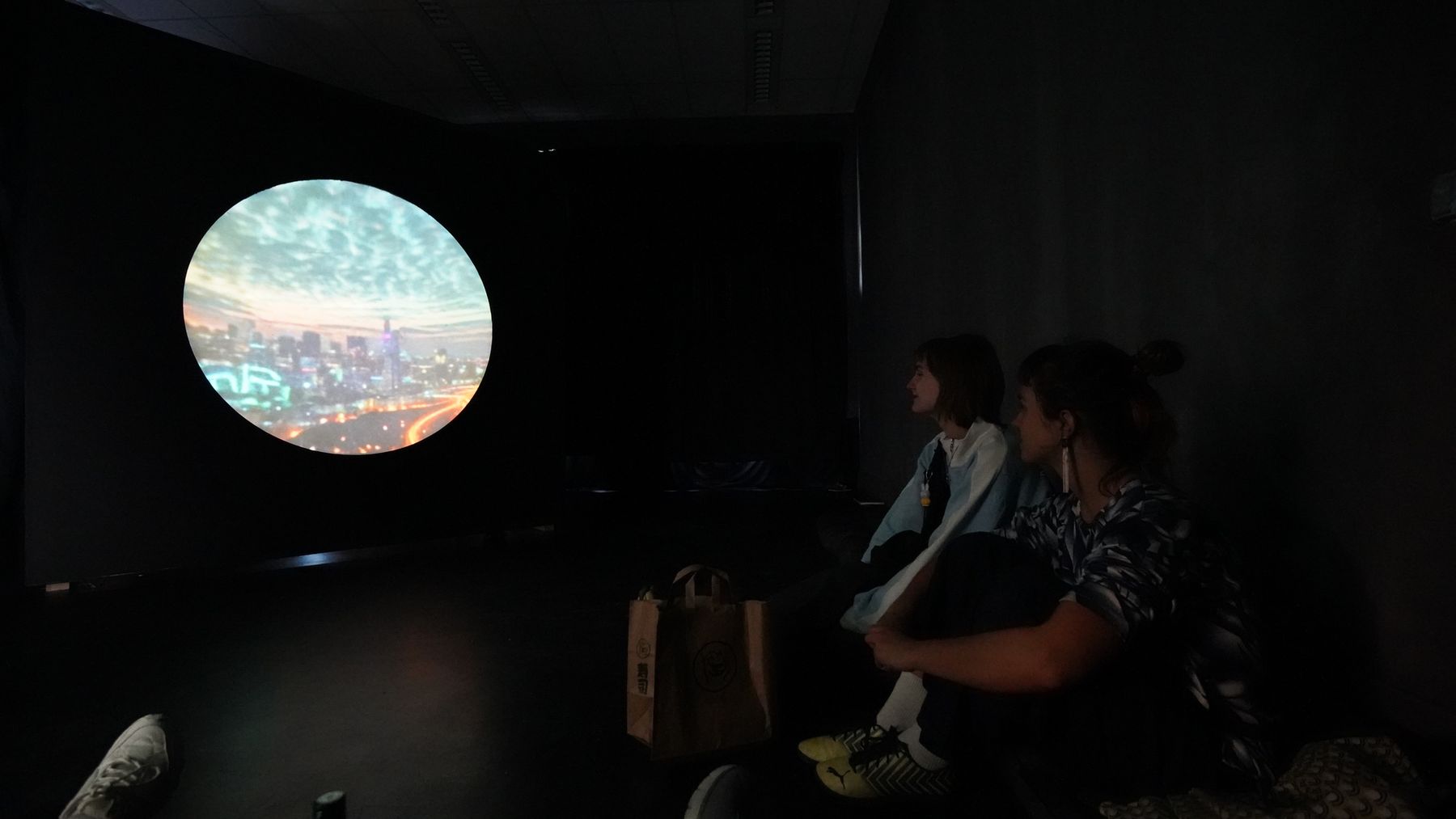
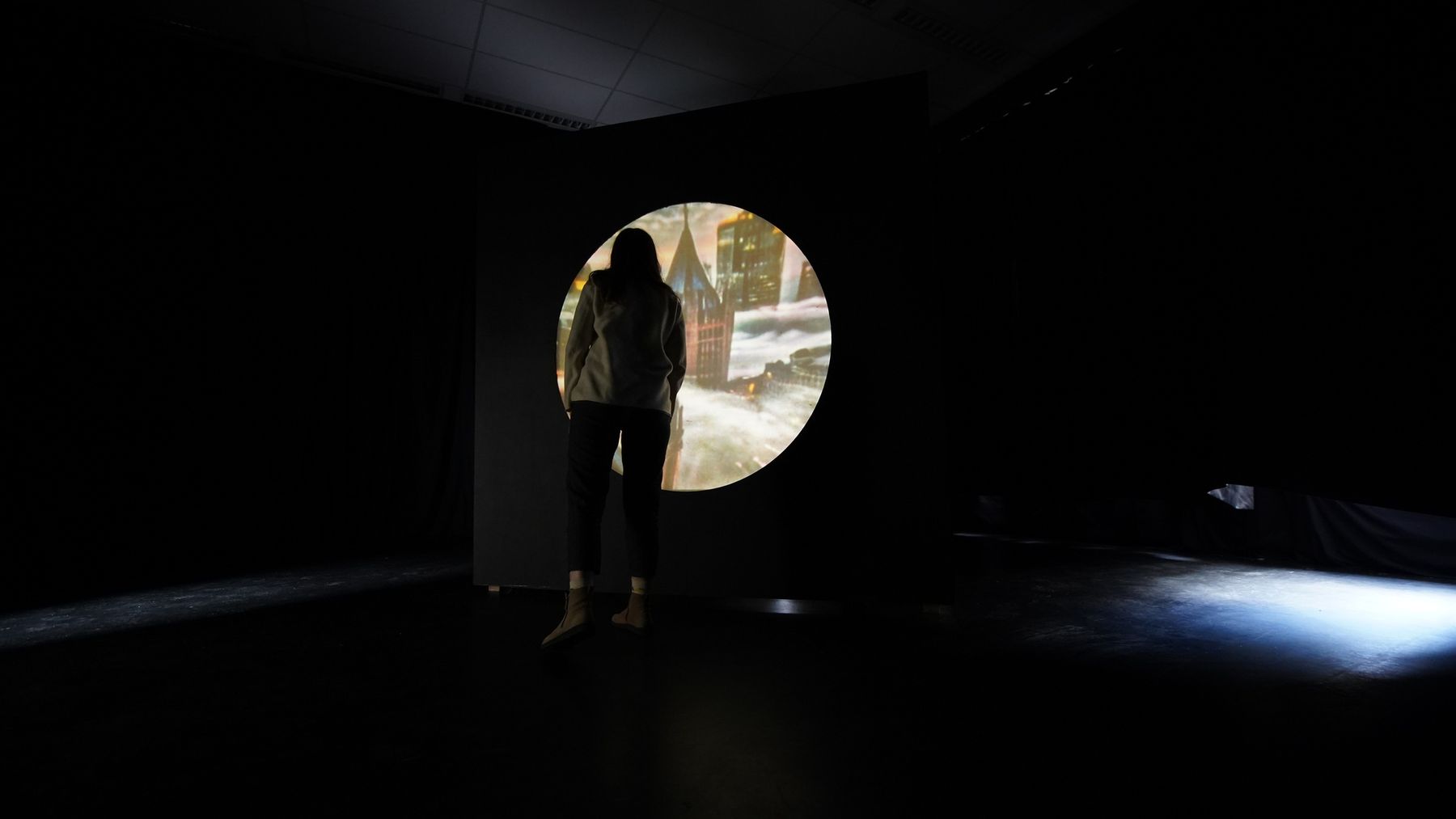
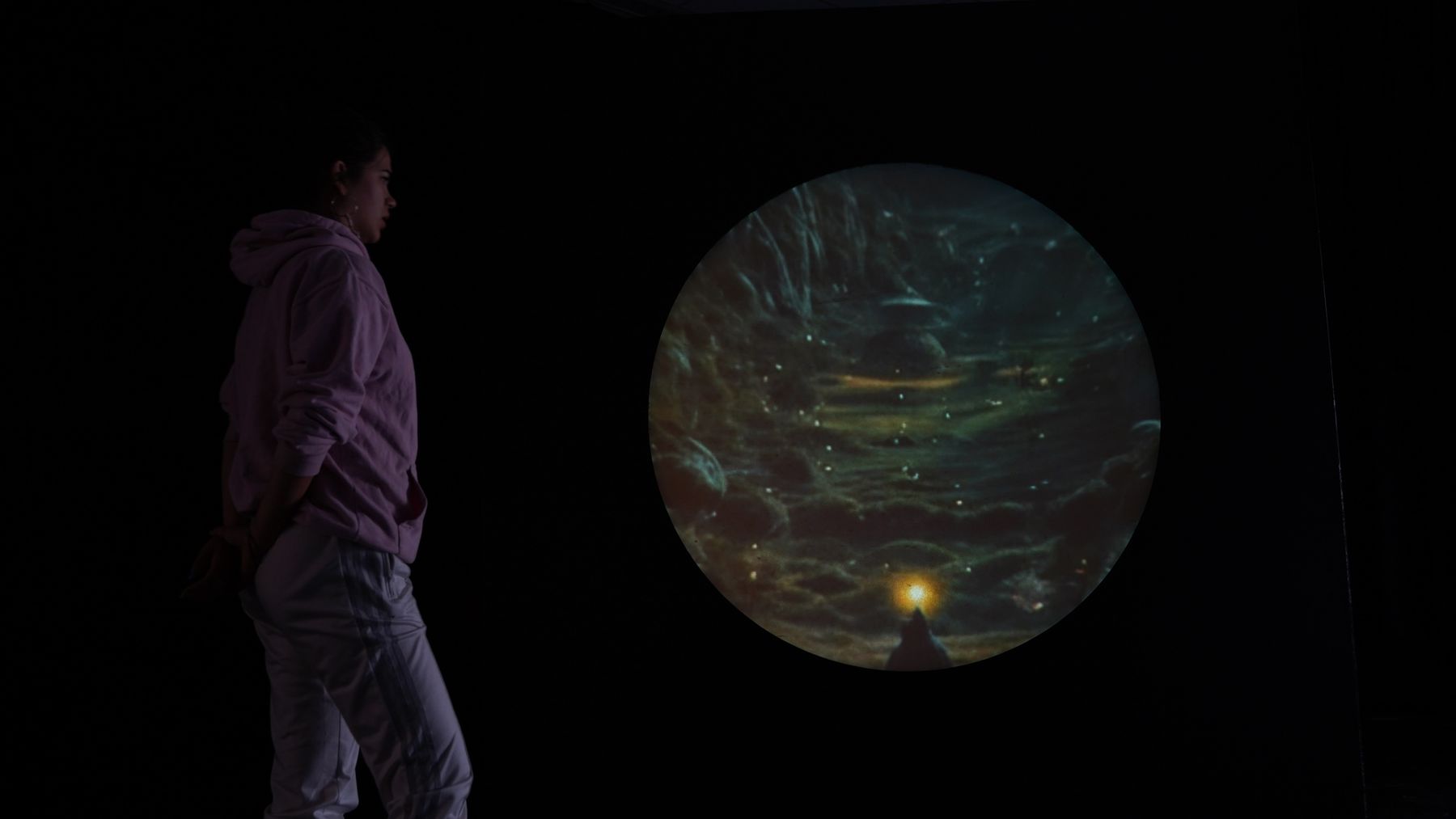
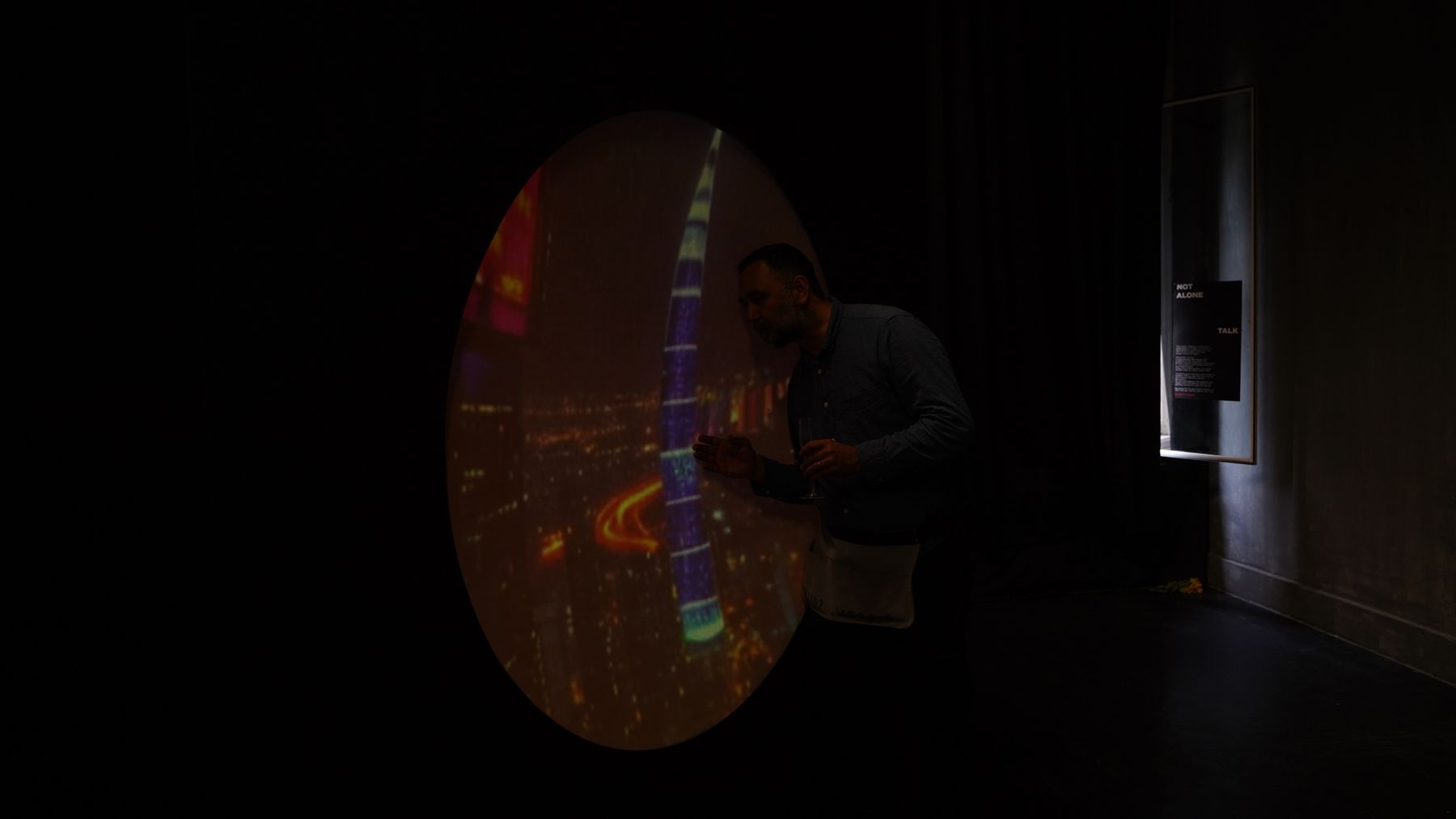
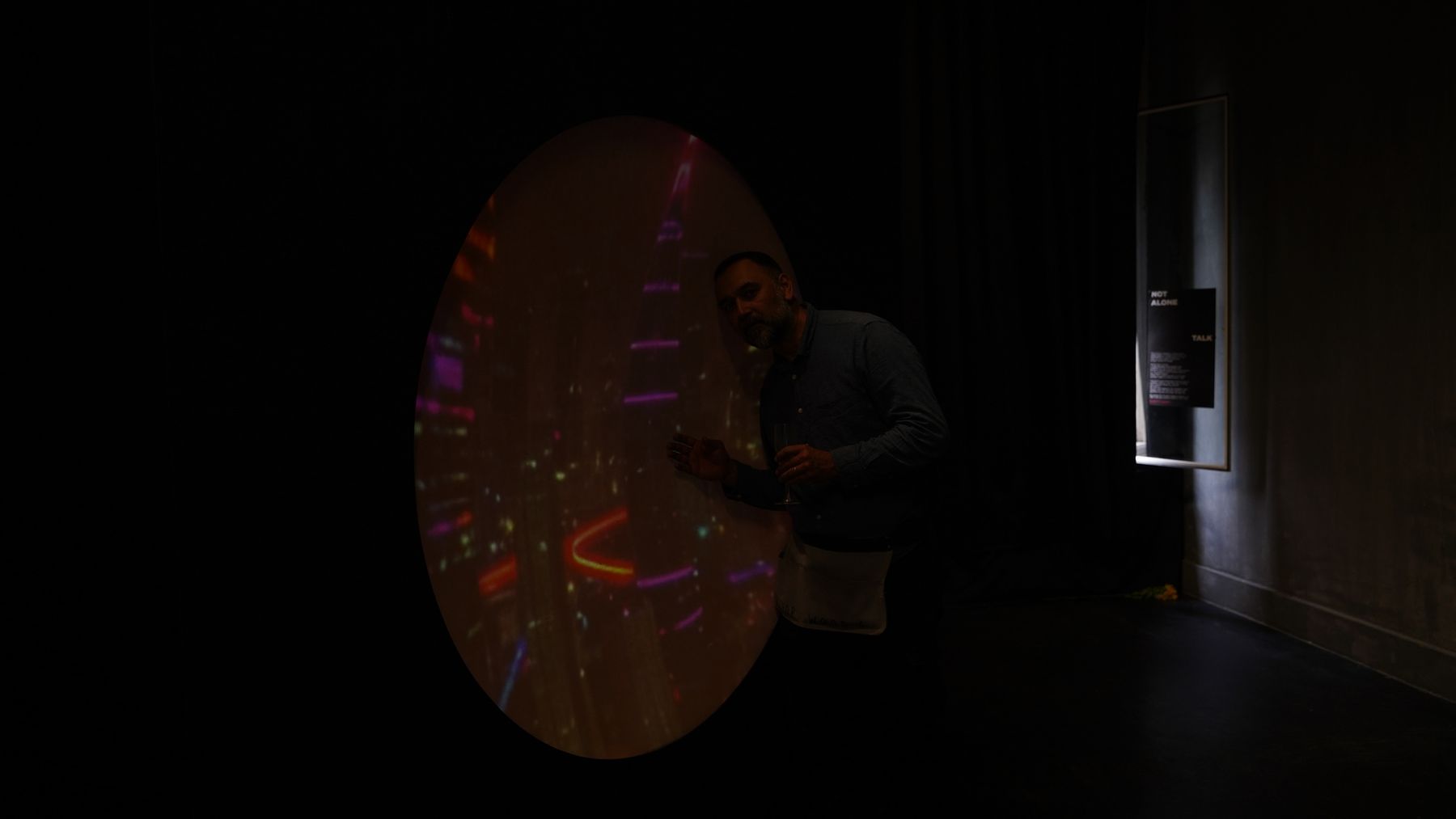
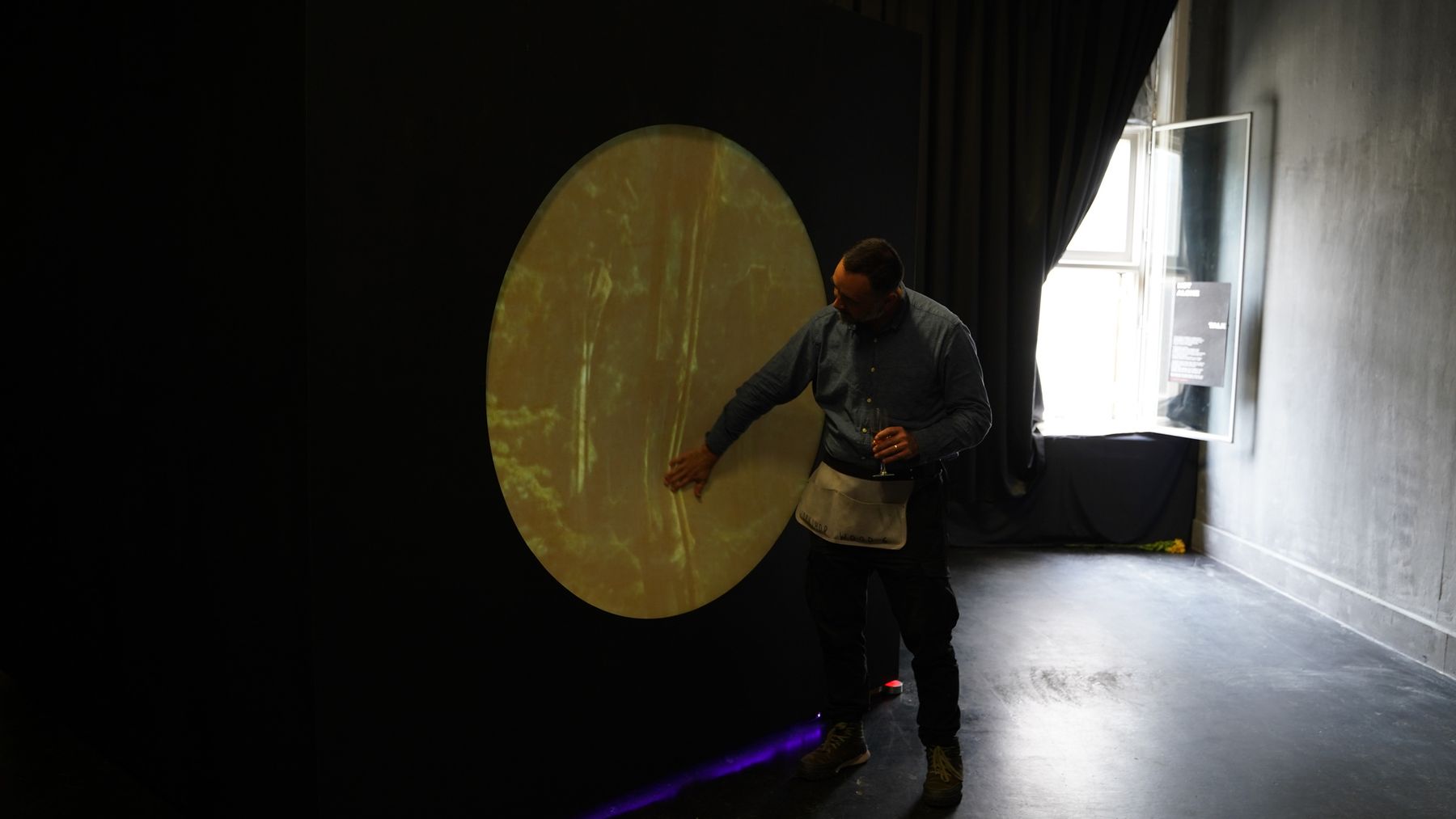
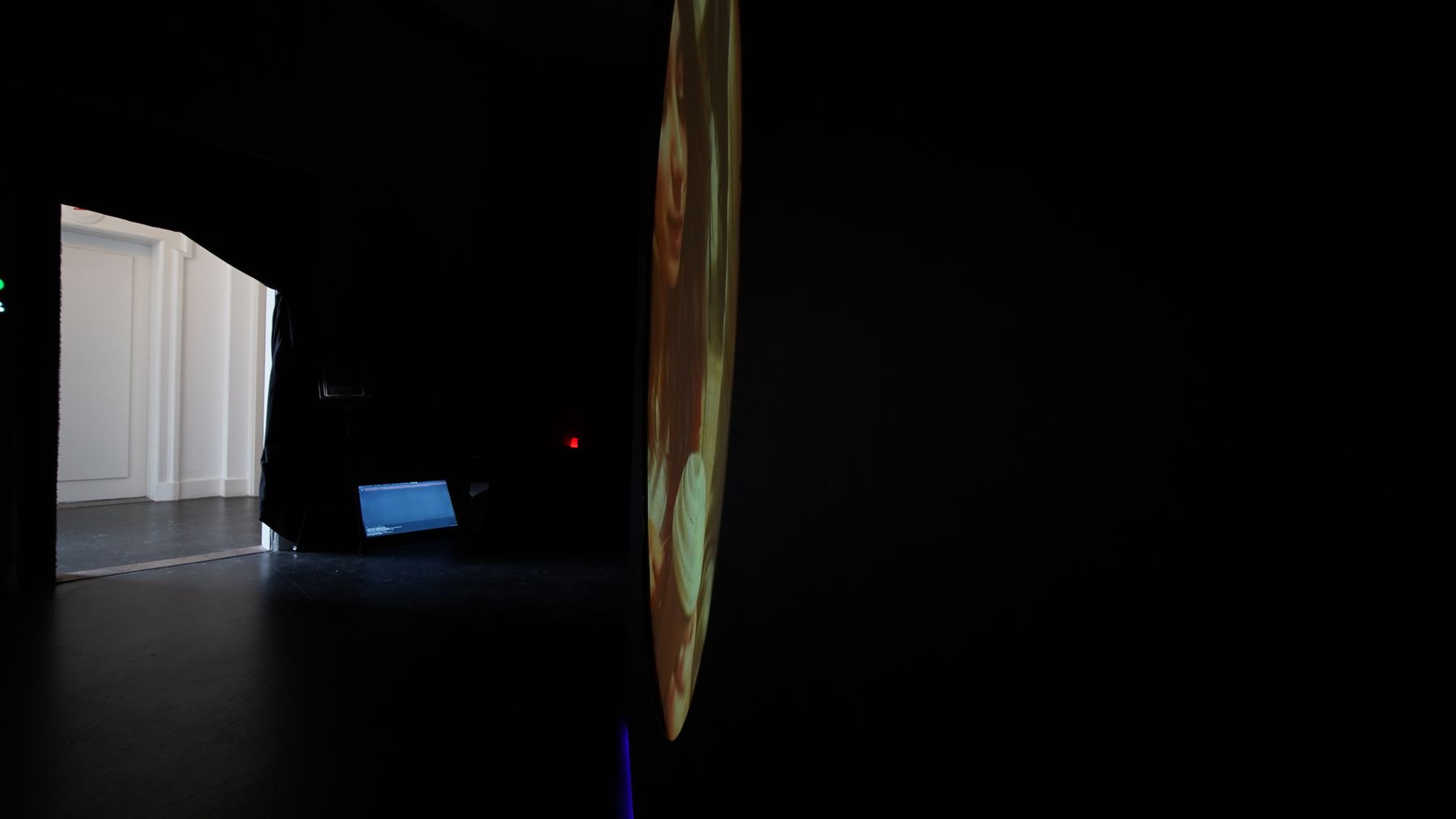
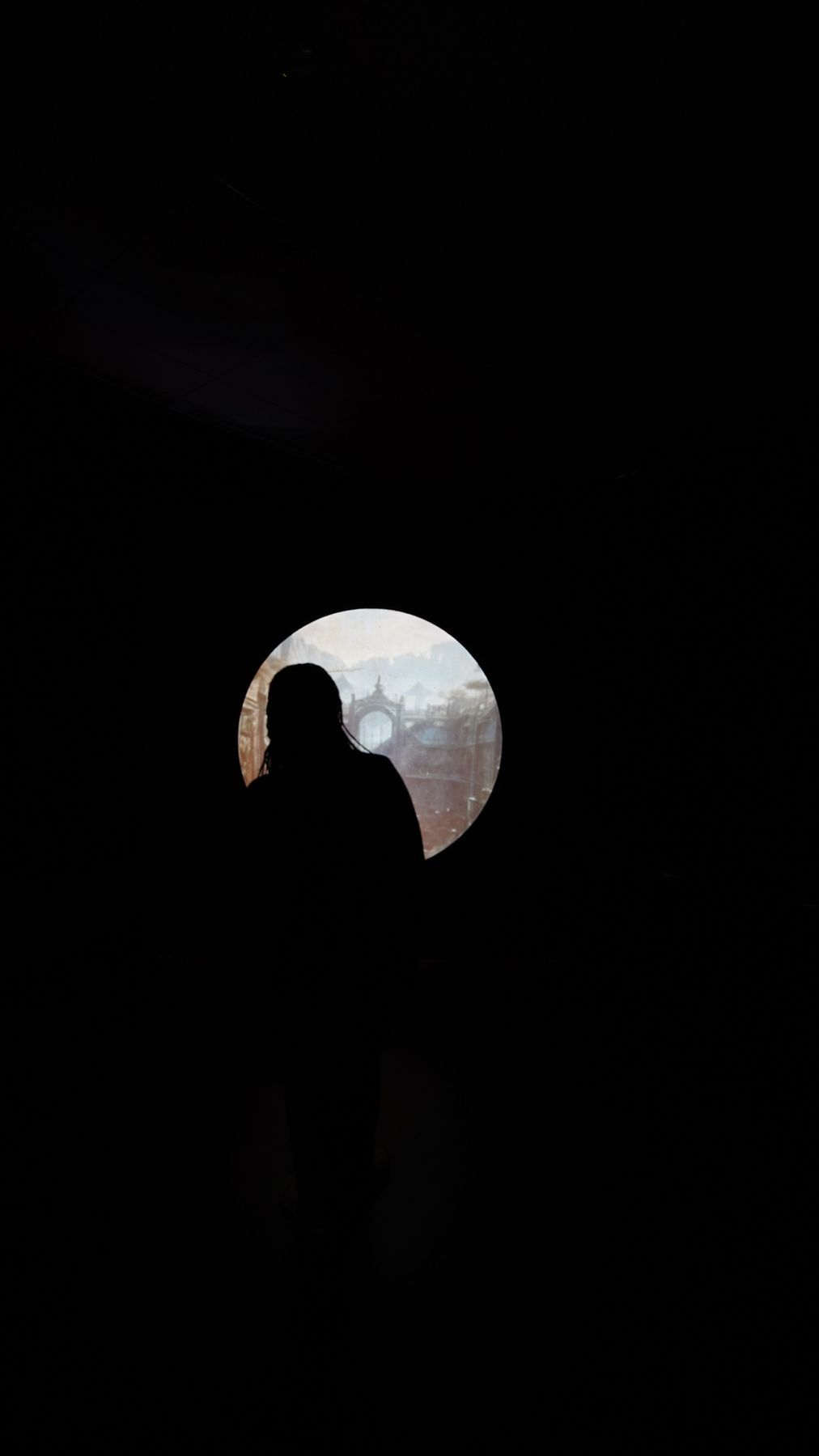
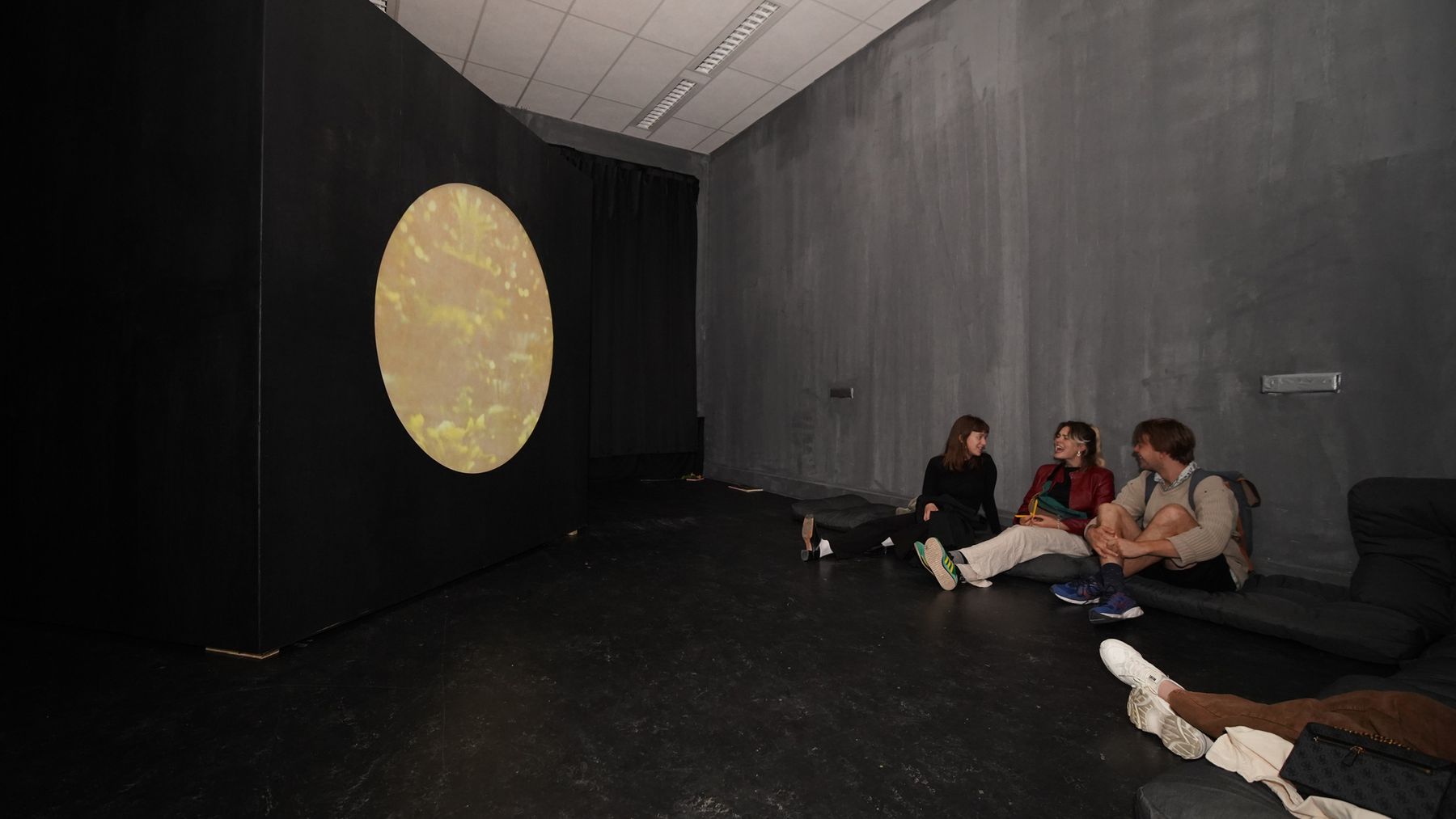
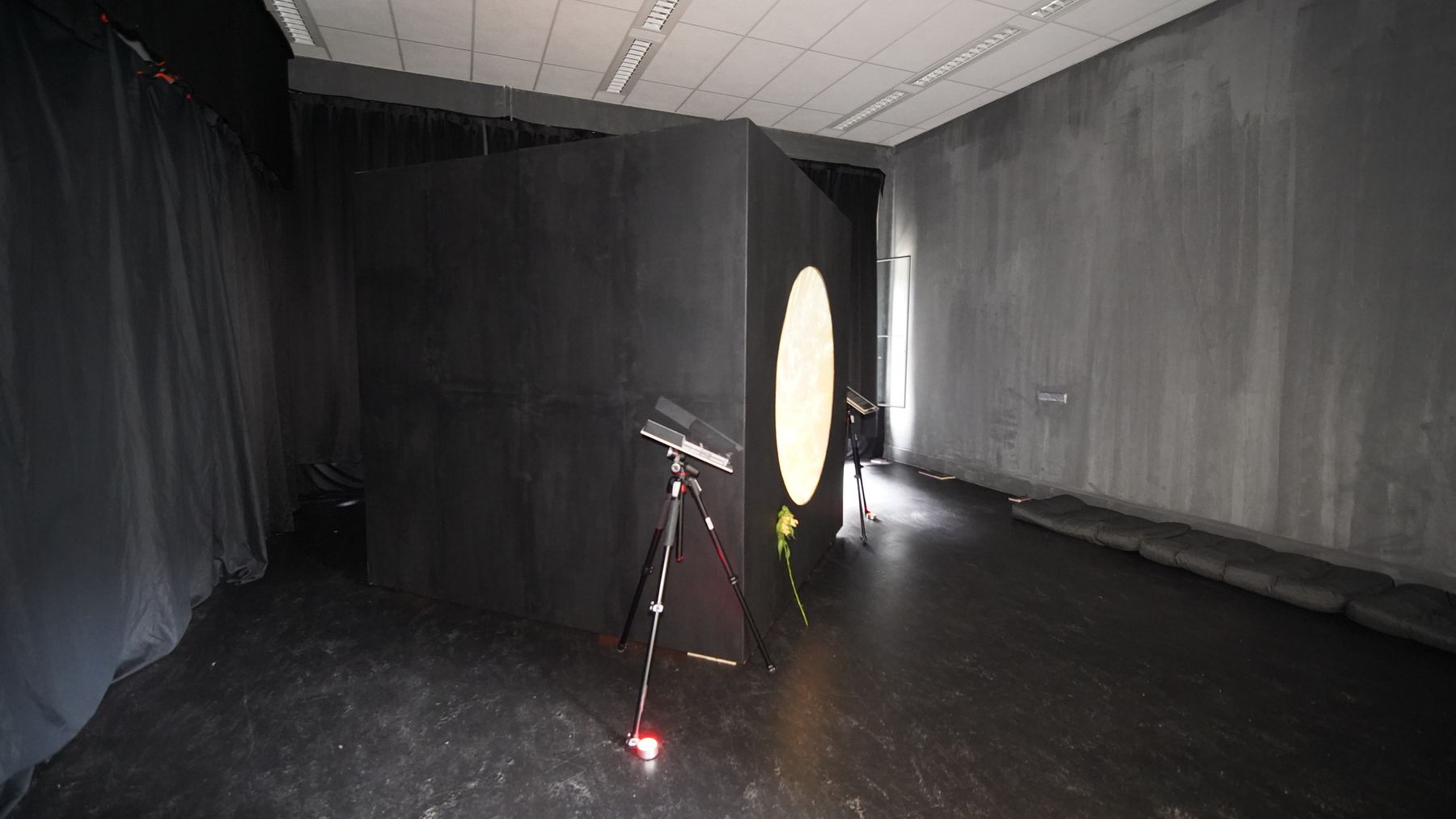
A black cube that listens to the room and dreams up short films about what it hears.
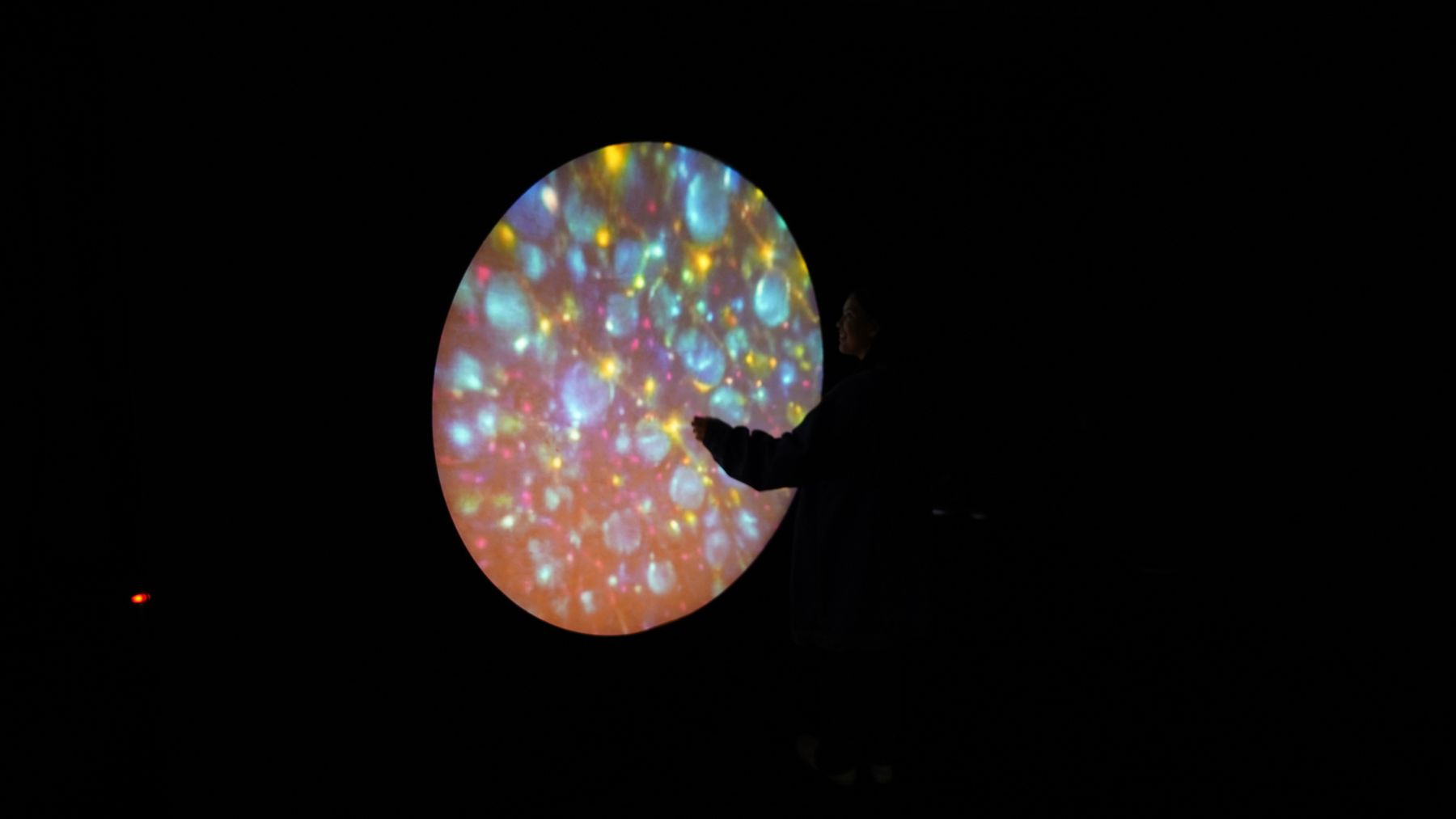
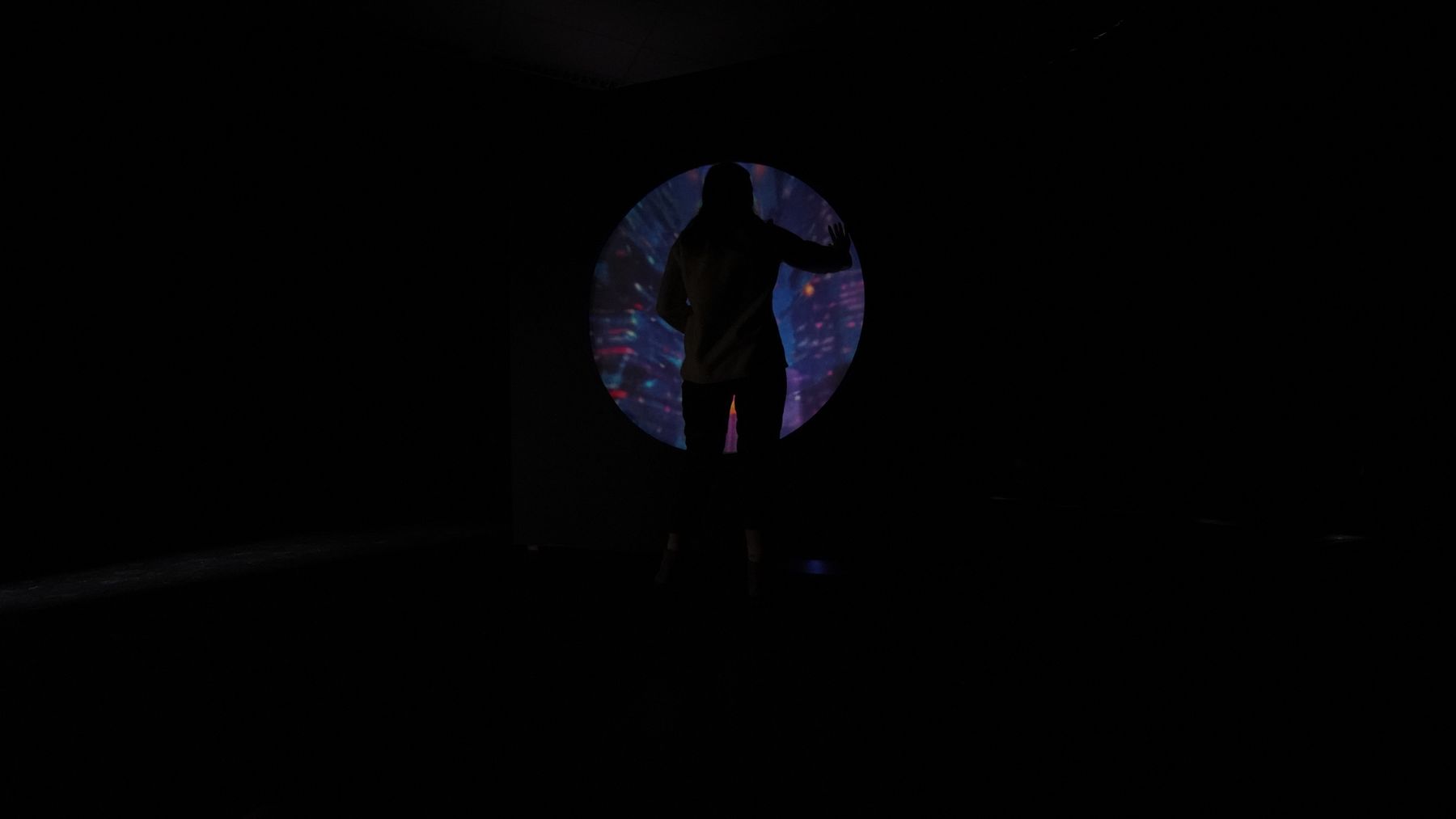
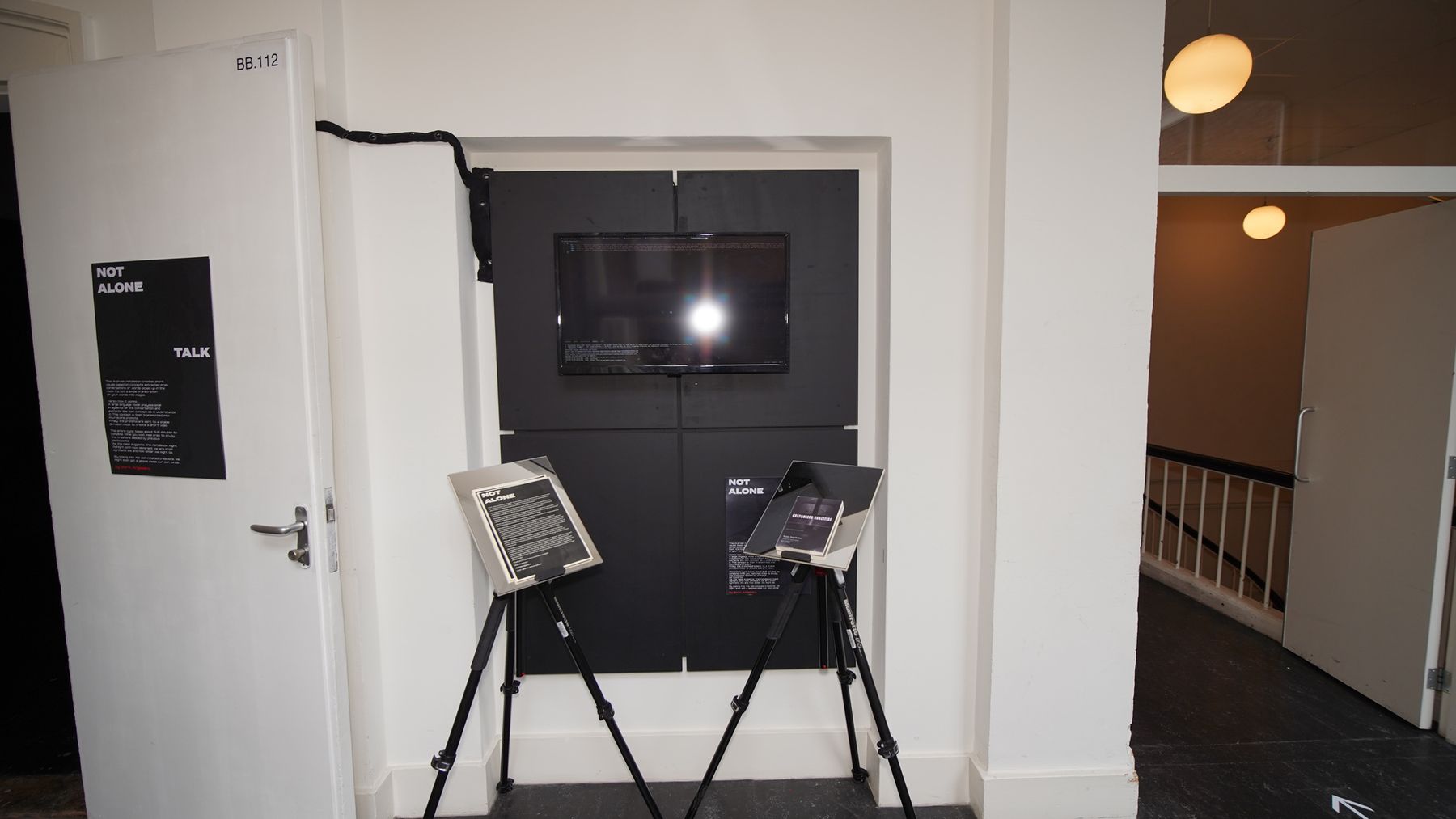
My installation critically examines the implications of equating synthetic minds with human cognition. Using advanced AI, it transcribes and analyses sounds to generate conceptual prompts, highlighting human–AI collaboration and technological futures. By reflecting on AI's complexity and unpredictability, it underscores the dangers of anthropomorphising artificial intelligence. The black cube symbolises the opaque boundary between human and synthetic consciousness.
As an experimental artist, I want to raise awareness of why it matters to work with the latest technologies. For an artist, what could be more significant than engaging with AI at the dawn of a new era? I collaborate with AI, and we complement each other's abilities. The work stands against both the waves of negativity and the extreme optimism around this technology: we are at the beginning, and cannot yet predict the outcome.
How it works
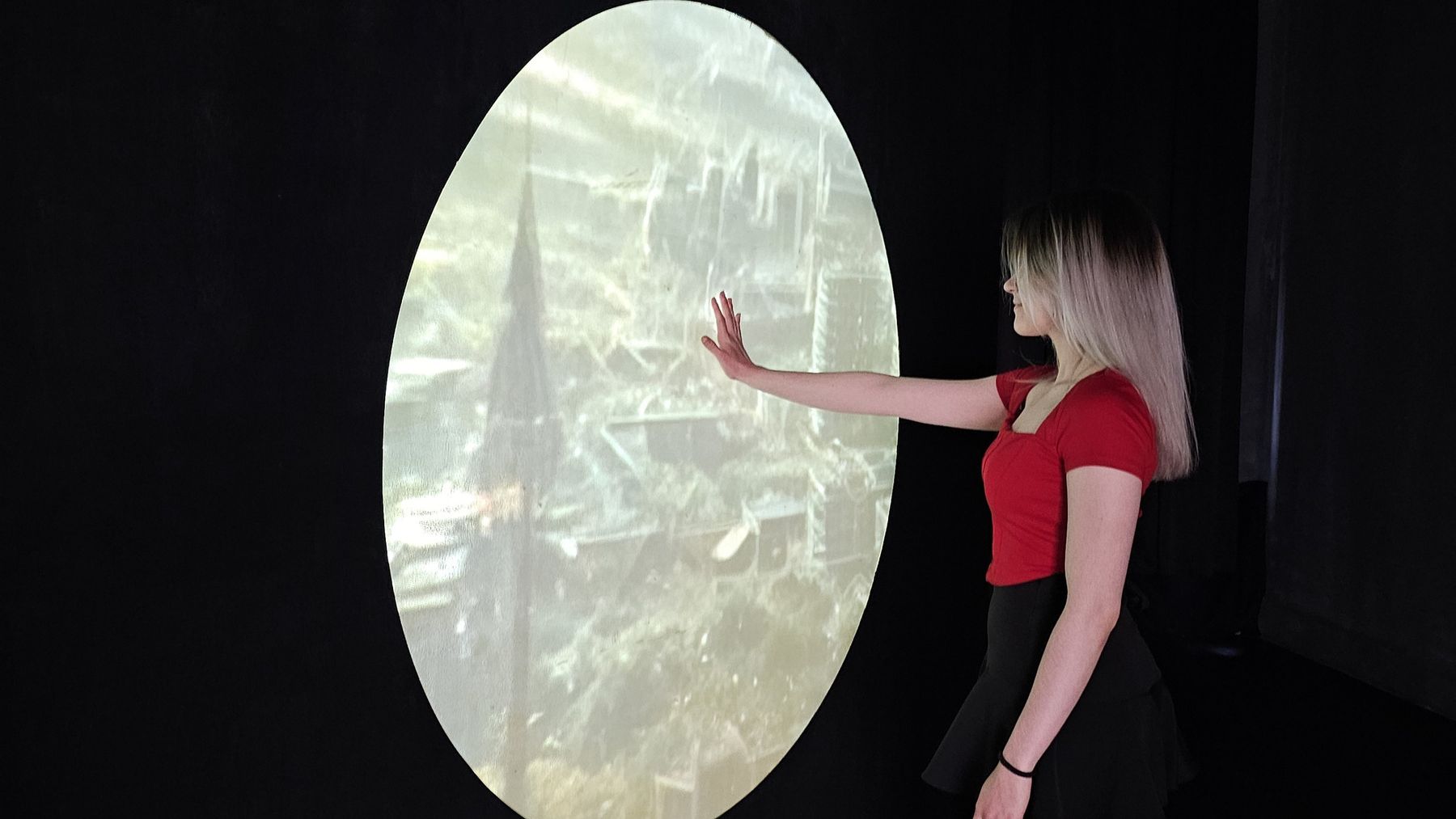
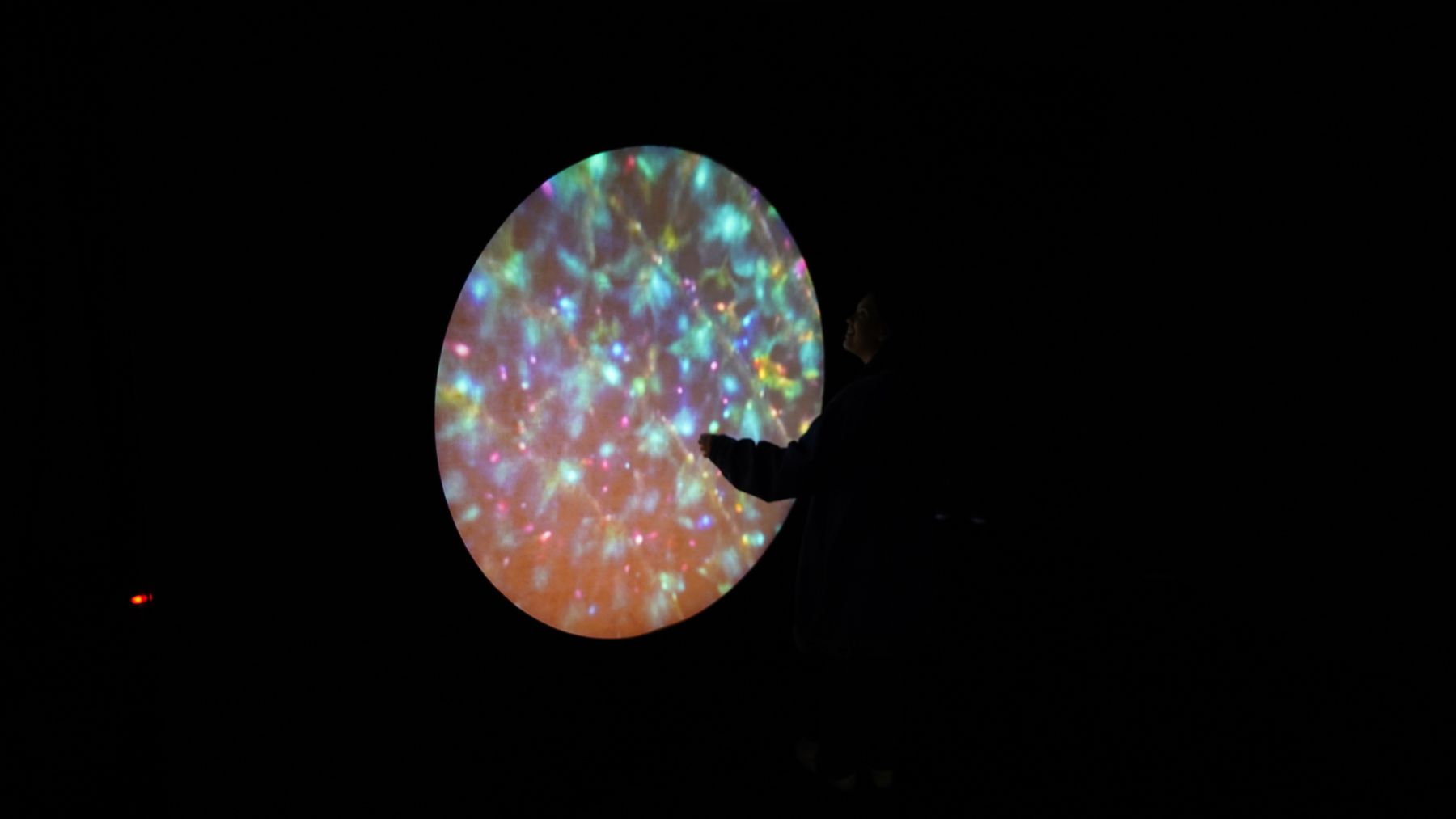
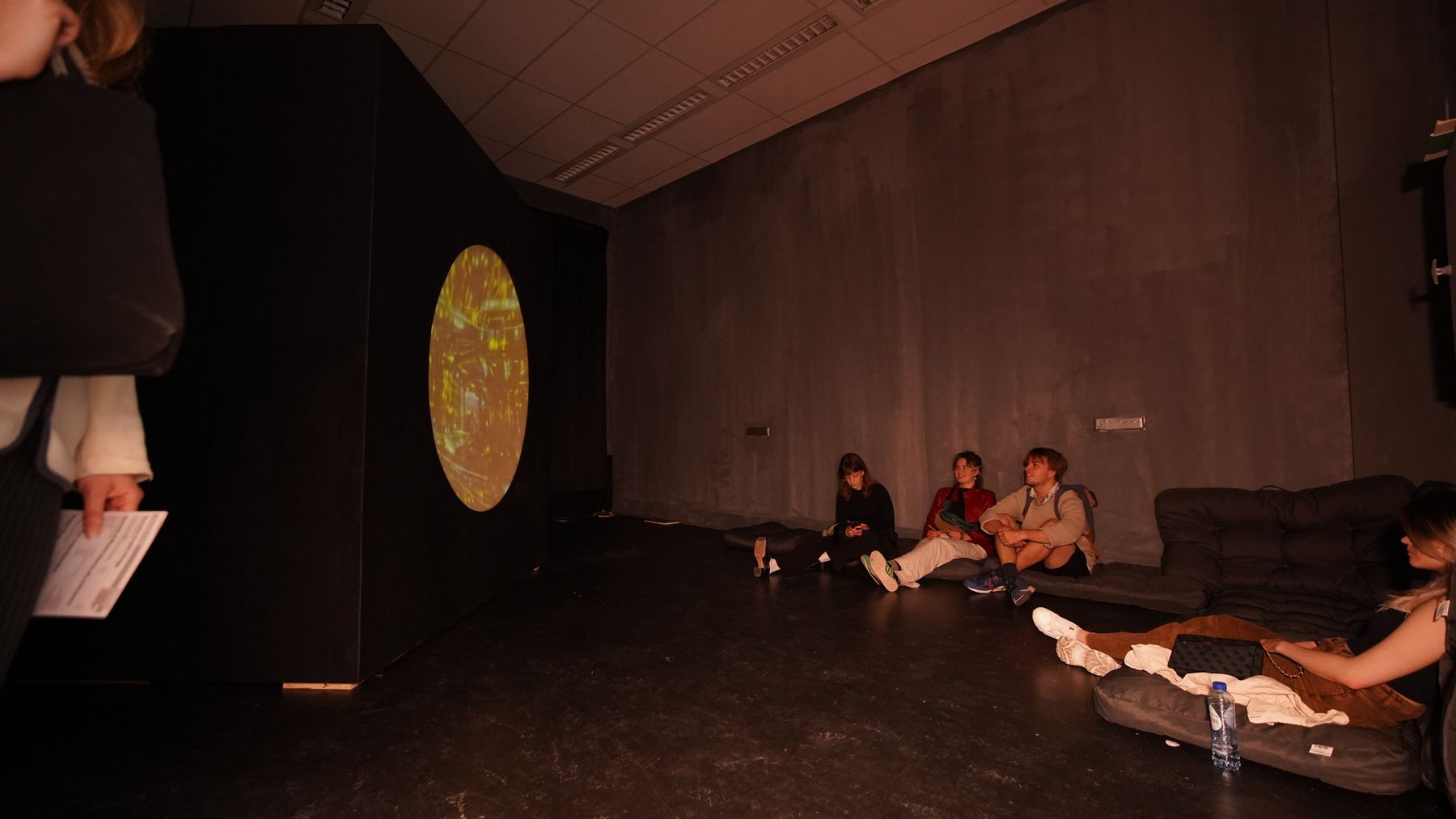
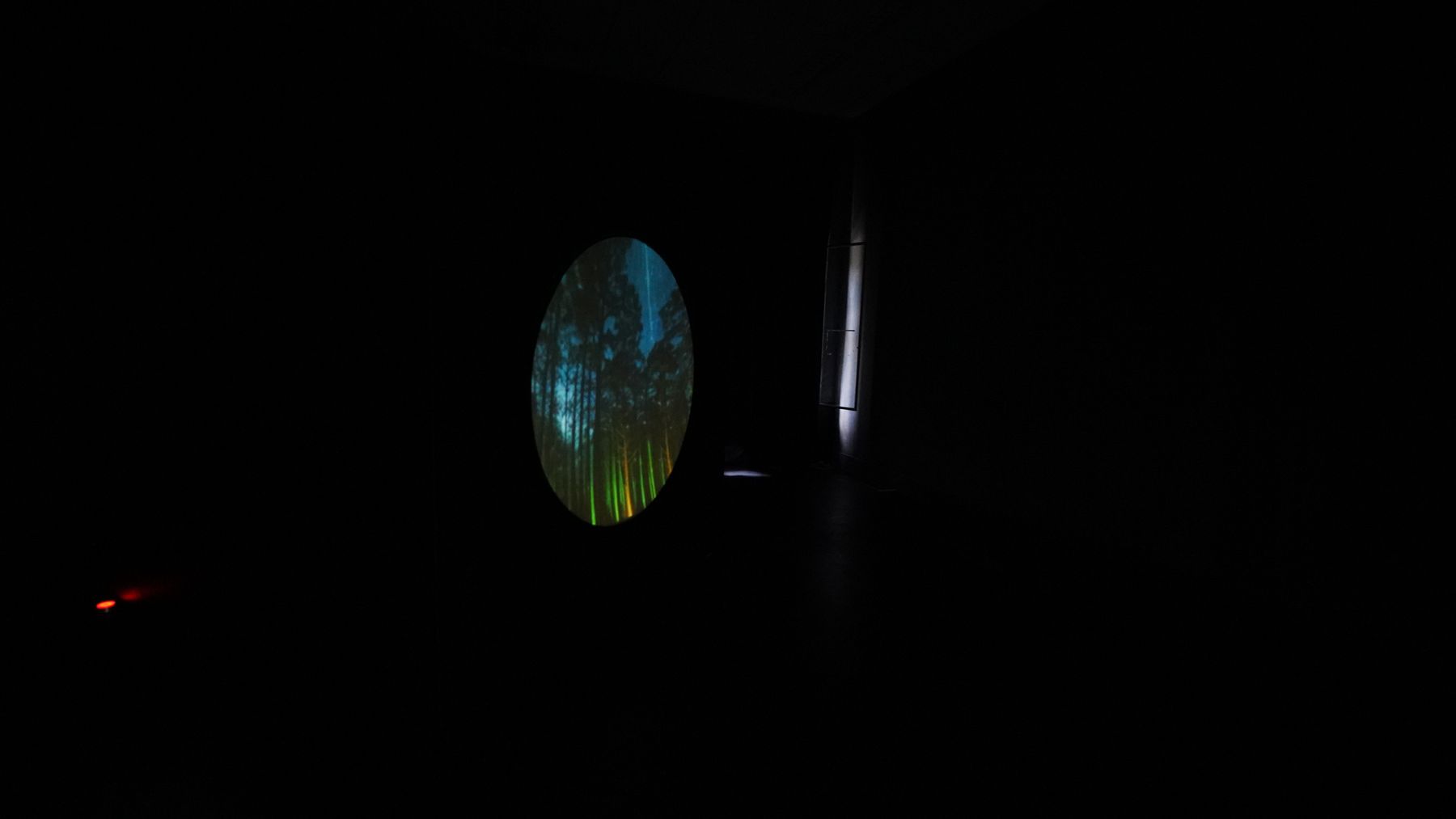
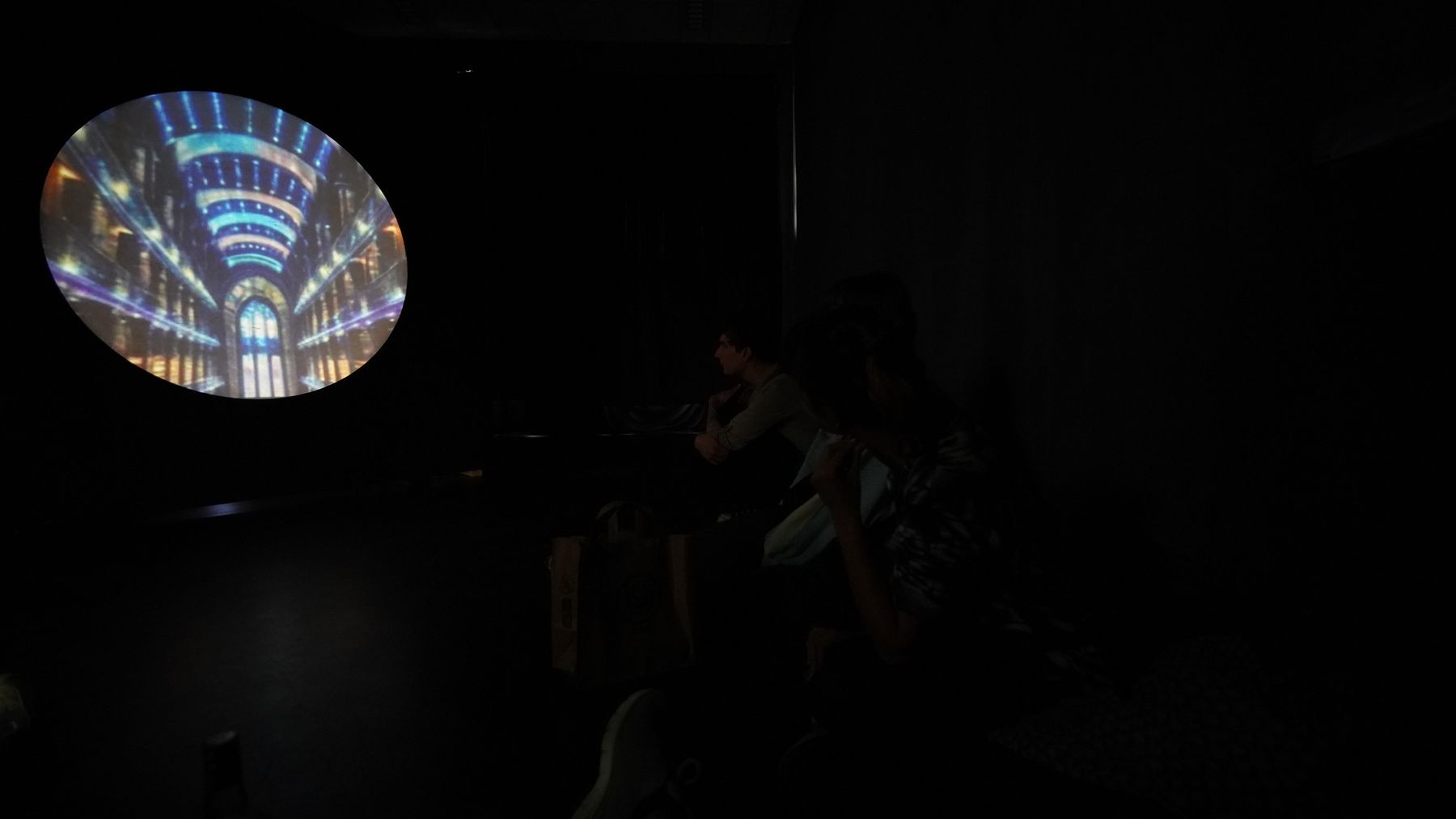
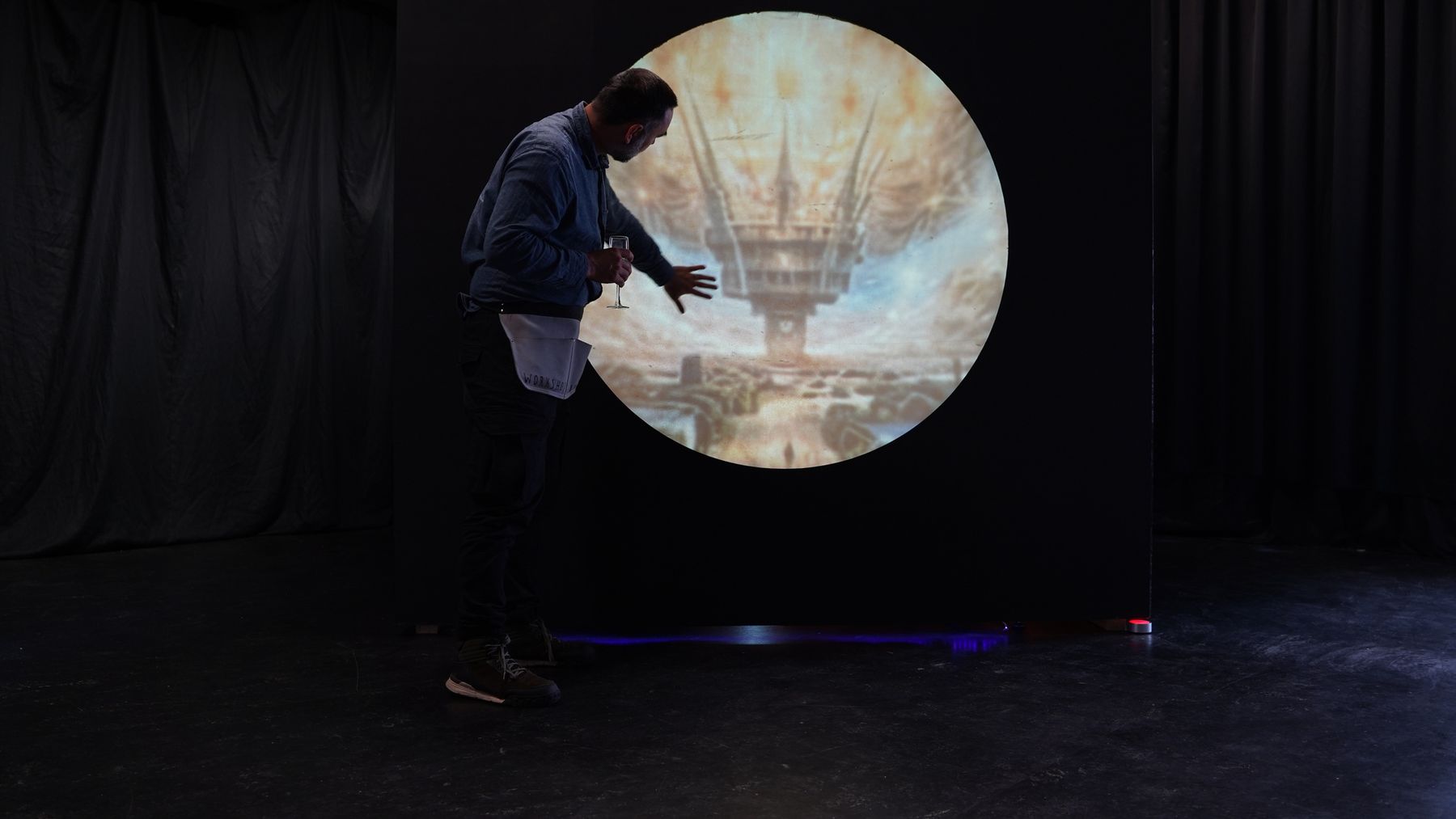
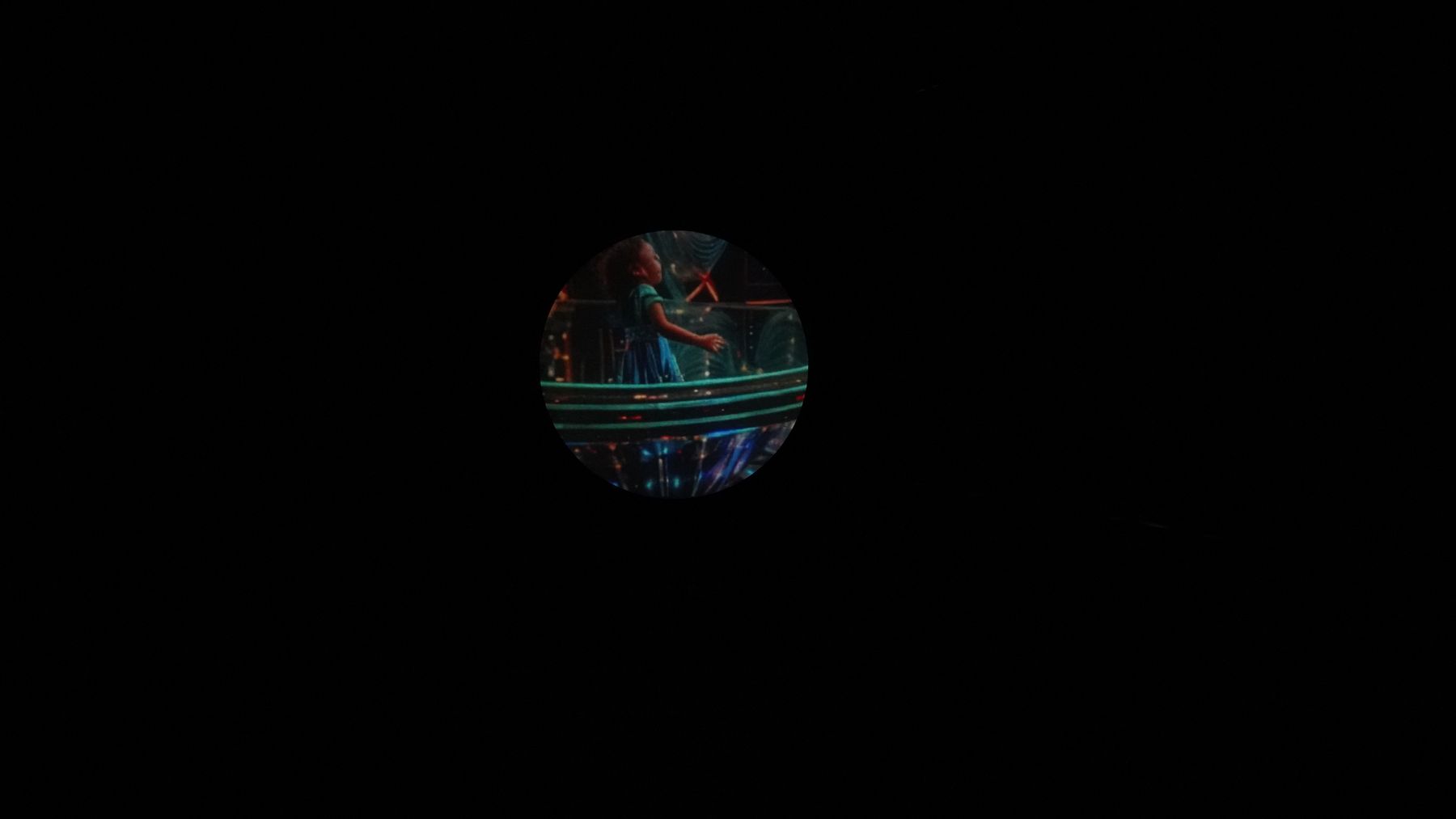
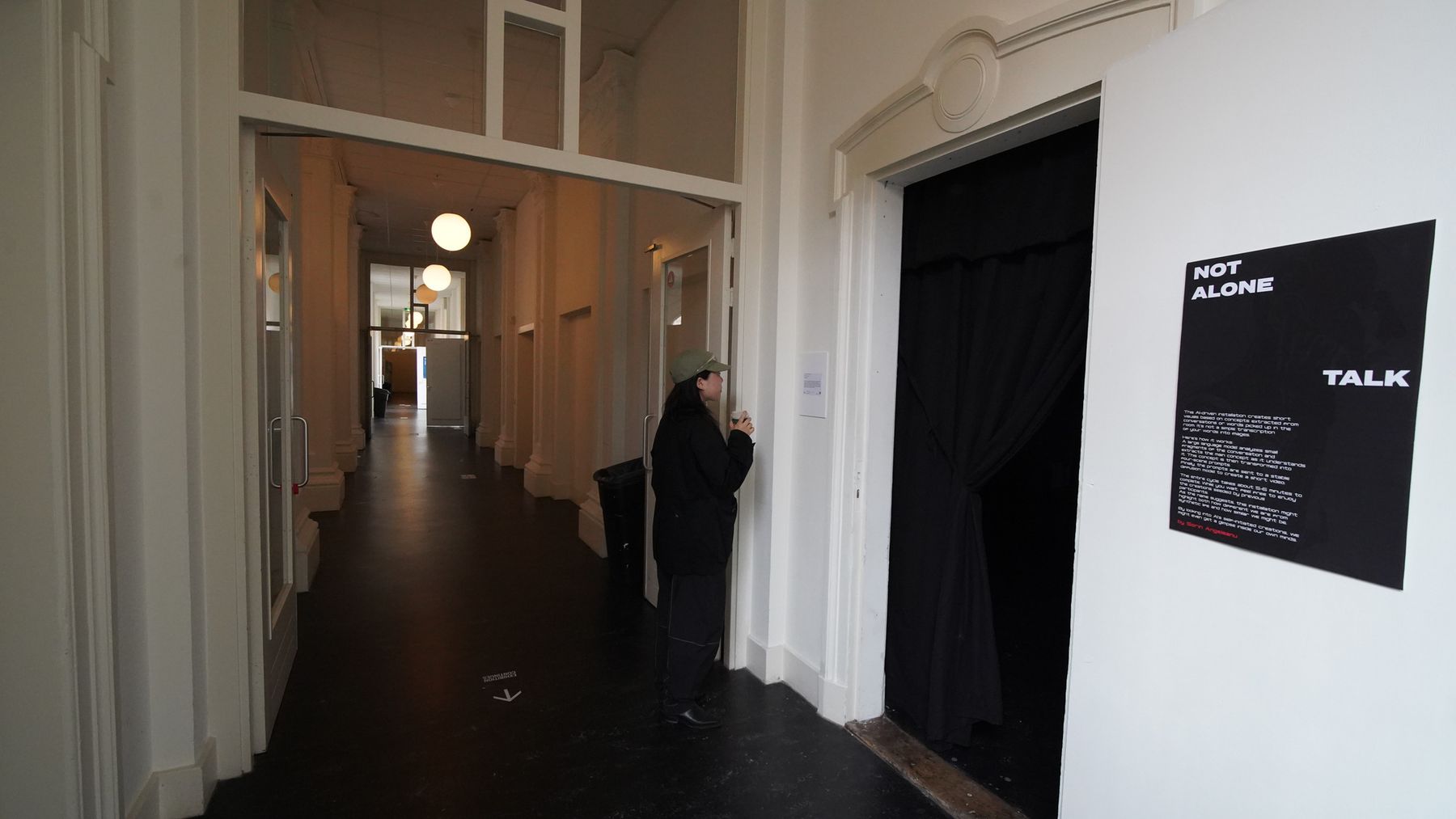
The installation continuously listens to environmental sounds, then uses a large language model to transcribe, analyse and dissect them into concepts. It autonomously selects what it believes is most important, much like a thought that suddenly comes to mind, and turns that concept into a four-scene prompt. The prompt is sent to another model that envisions and creates a short video.
- A large language model analyses small fragments of conversation and extracts the main concept as it understands it.
- The concept is transformed into a four-scene prompt.
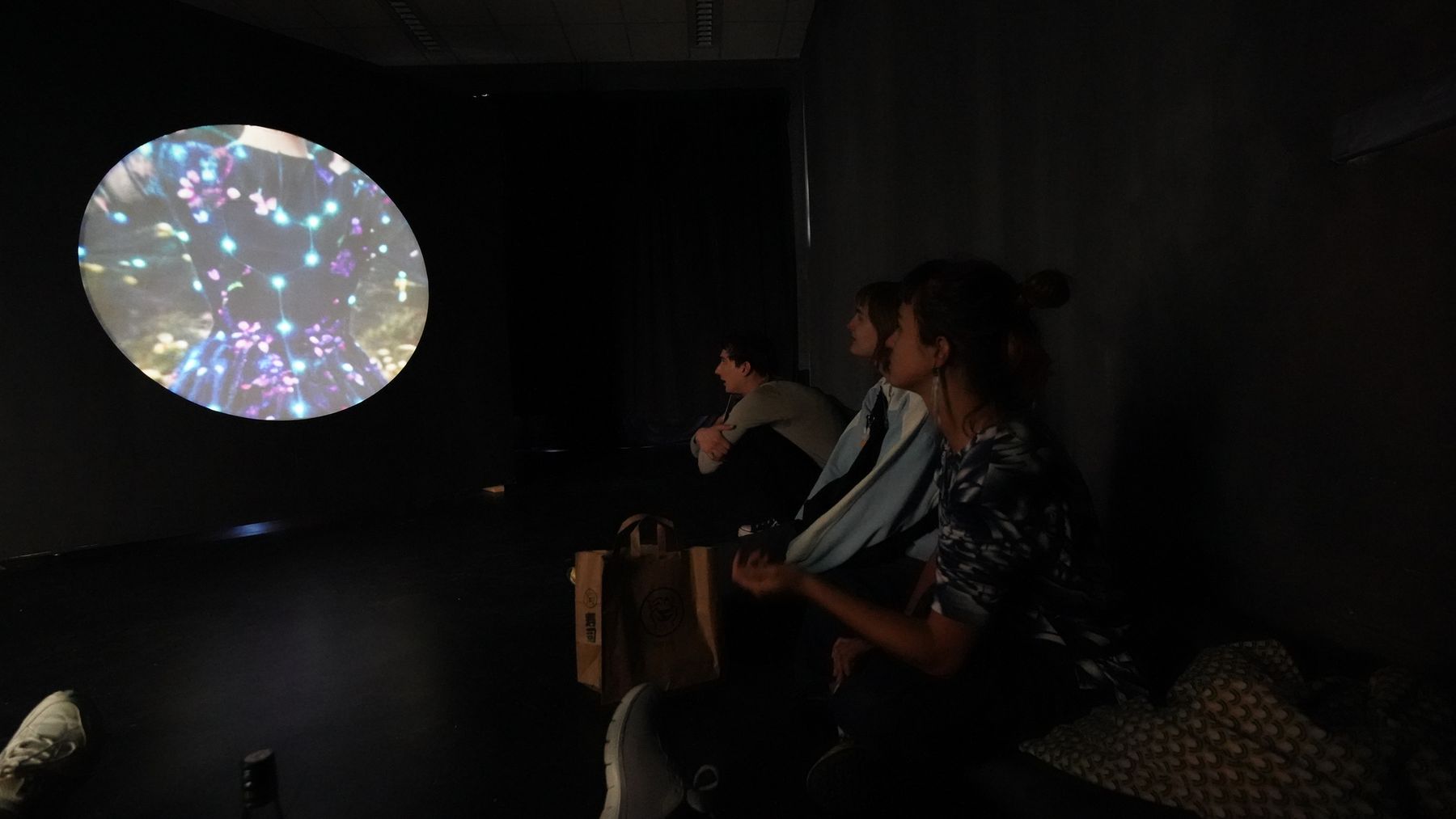
- The prompt is sent to a Stable Diffusion model, which creates a short video.
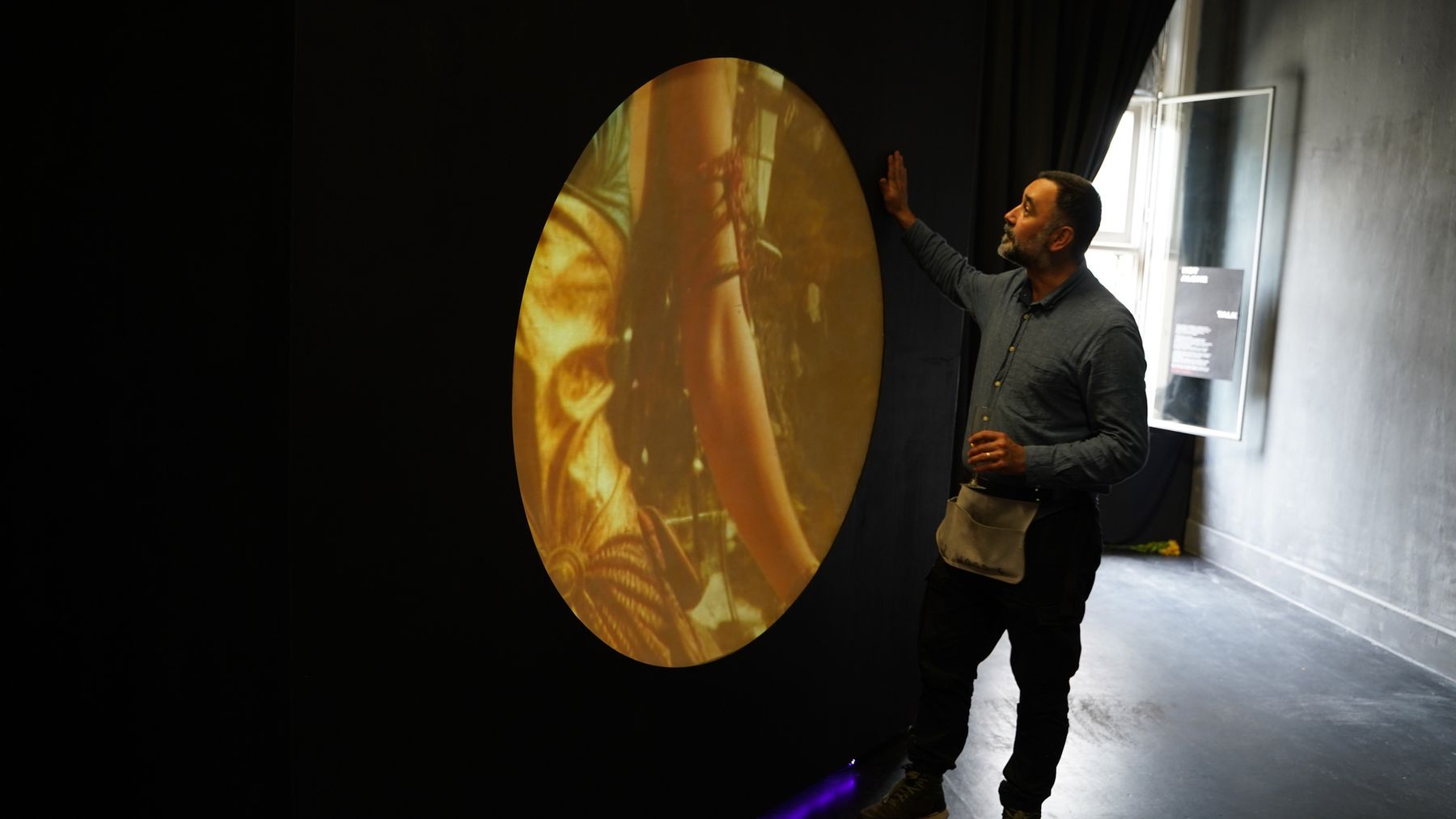
One cycle takes about five to six minutes. While visitors wait, they watch the creations seeded by previous participants.
The cube and the membrane
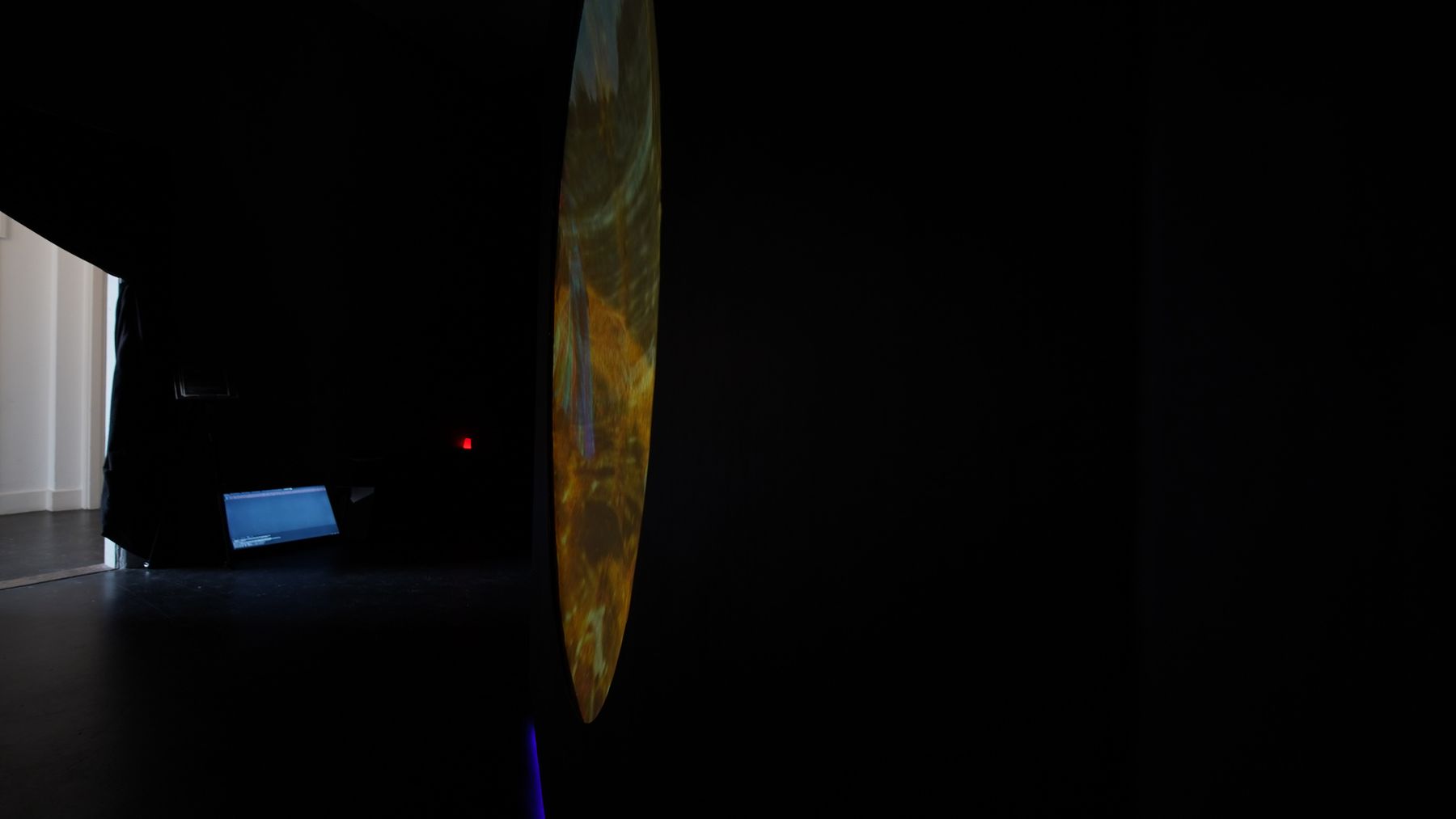
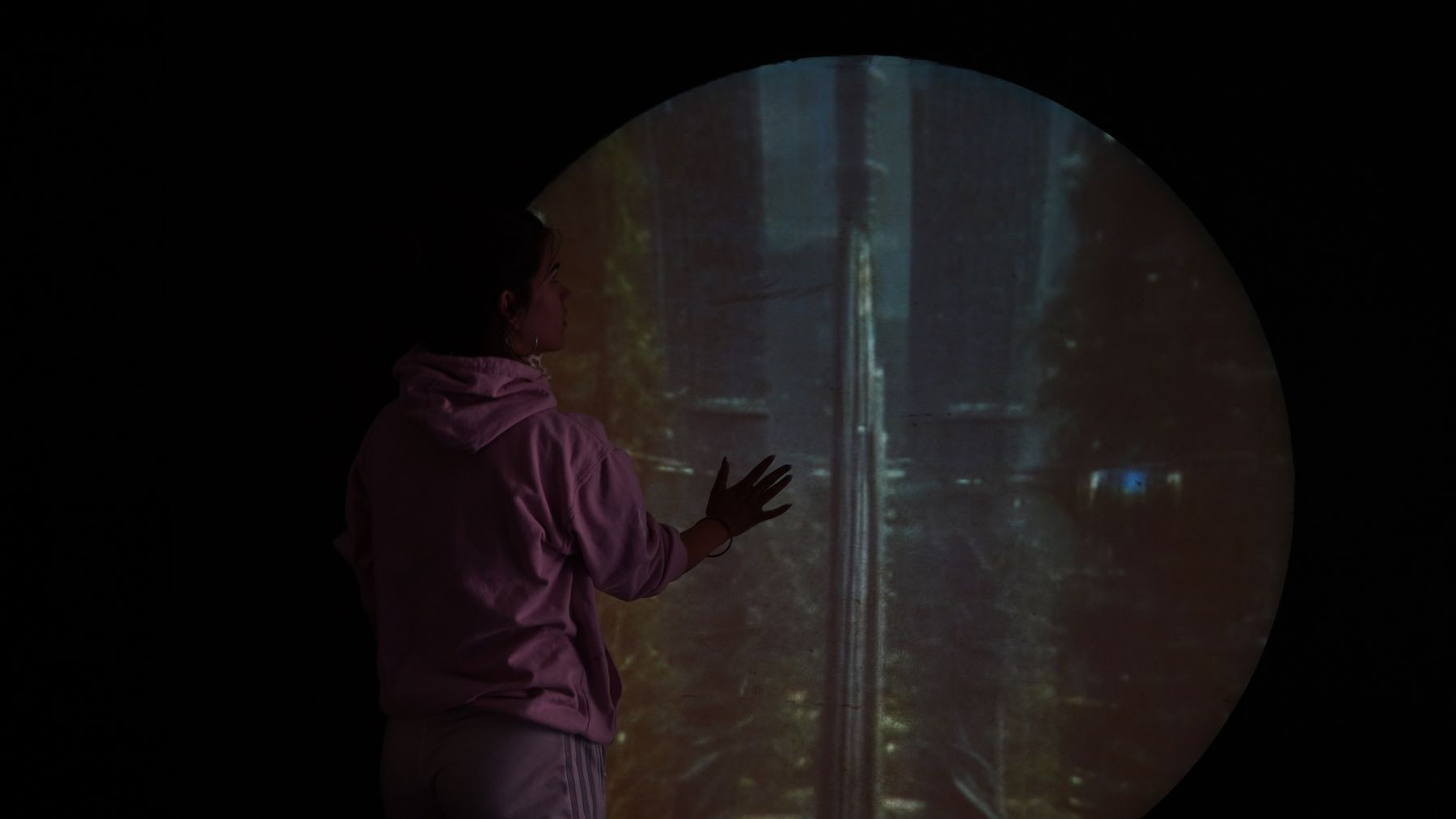
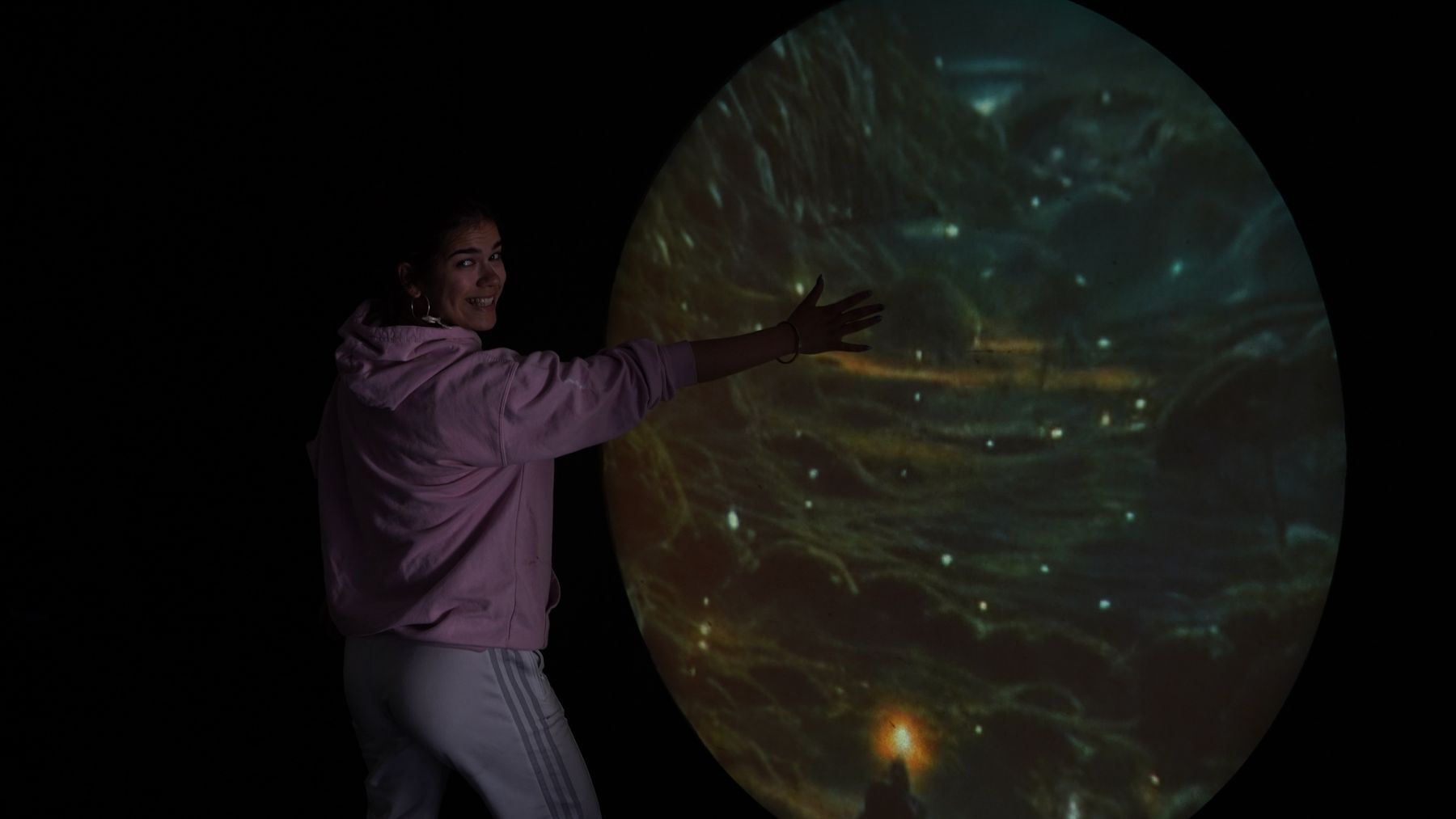
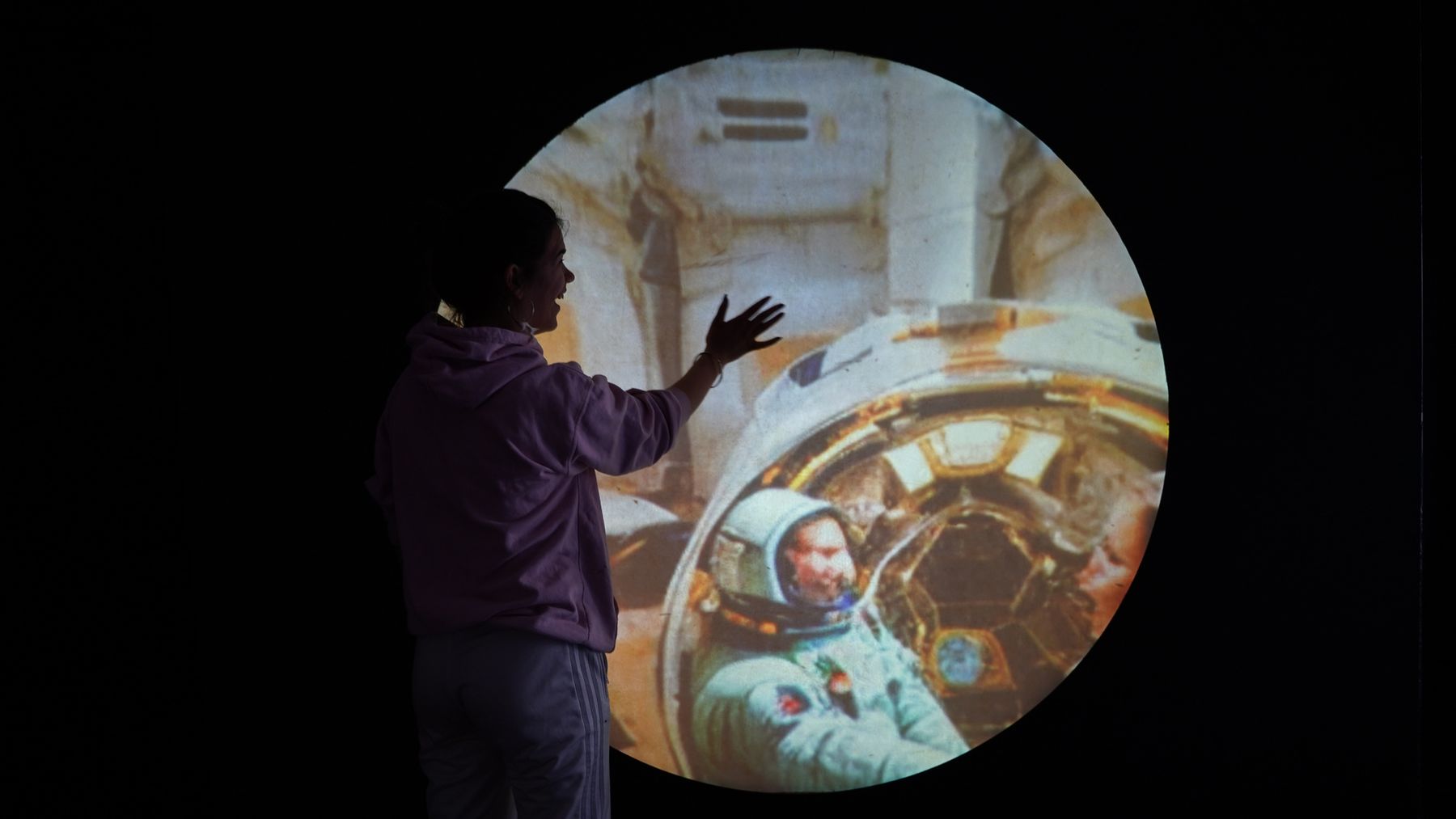
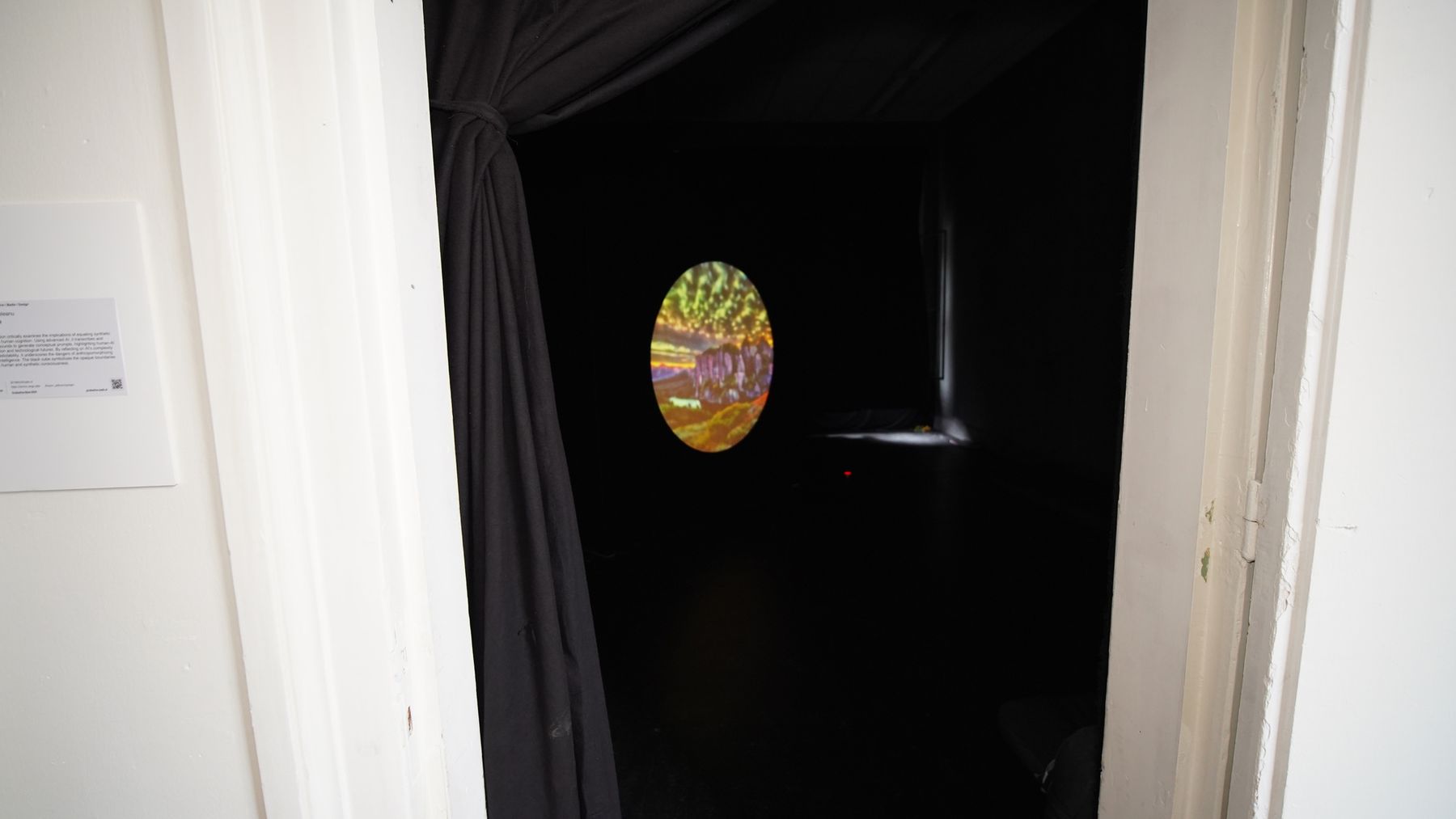
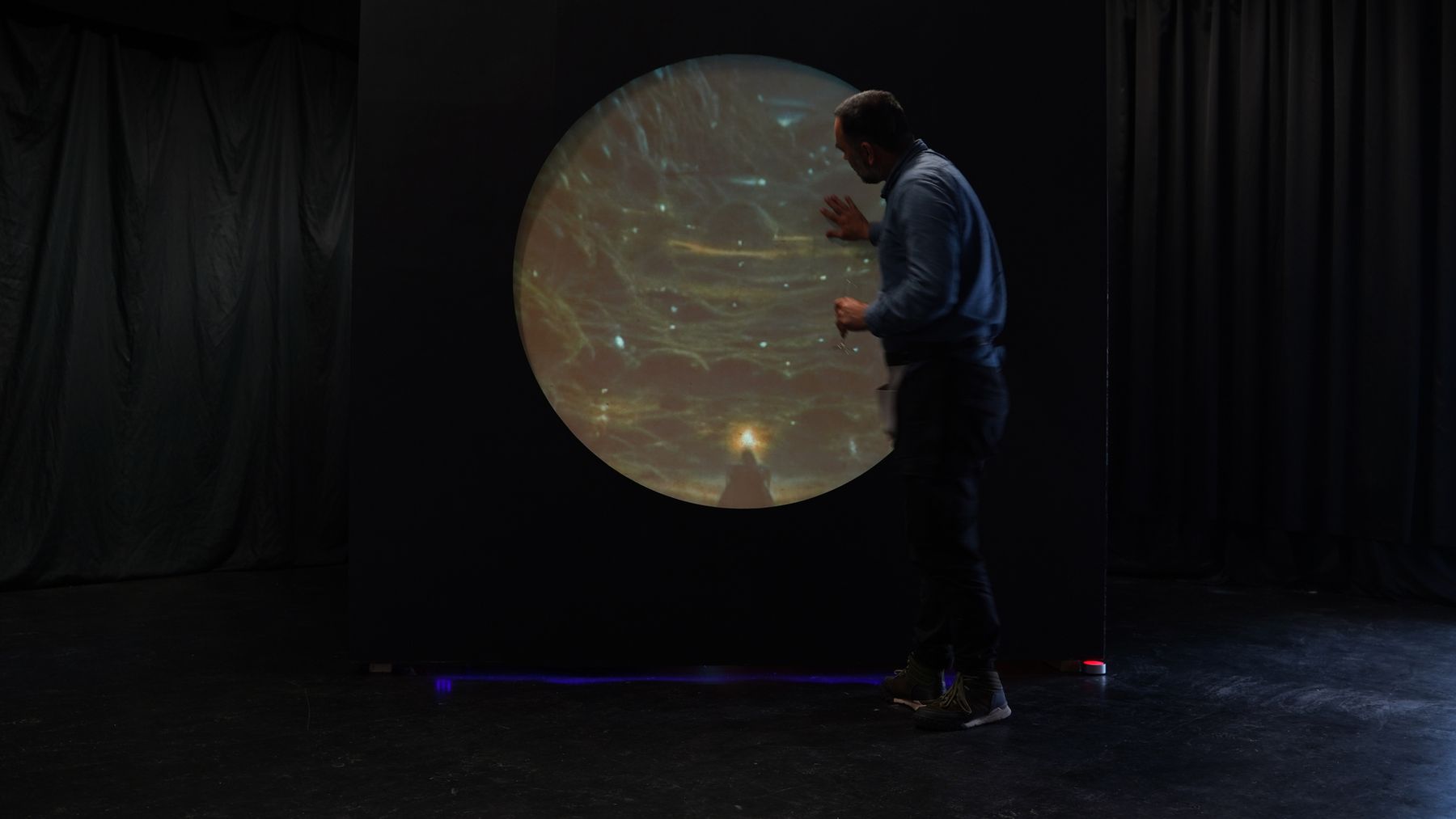
The cube represents the black box of technology where AI resides: dark, obscure and inaccessible to many of us. The membrane is the blurred surface where our worlds meet, where it is hard to tell where one ends and the other begins. We glimpse each other's worlds: we through vision, the AI through the transcription of our conversations. The interaction is inspired by Stanisław Lem's novel Solaris; we are the person reaching out to touch the self-aware ocean.
As the name suggests, the installation can show both how different we are from synthetic life and how similar we might be. By looking into AI's self-initiated creations, we may even get a glimpse inside our own minds.
- Year
- 2024
- Medium
- AI-driven interactive installation
- Context
- KABK graduation show, The Hague
- Technology
- Whisper, OpenAI, Stable Diffusion, Deforum, cloud-run pipeline
- Links
- Graduation page